Agrochemical and fertilizer
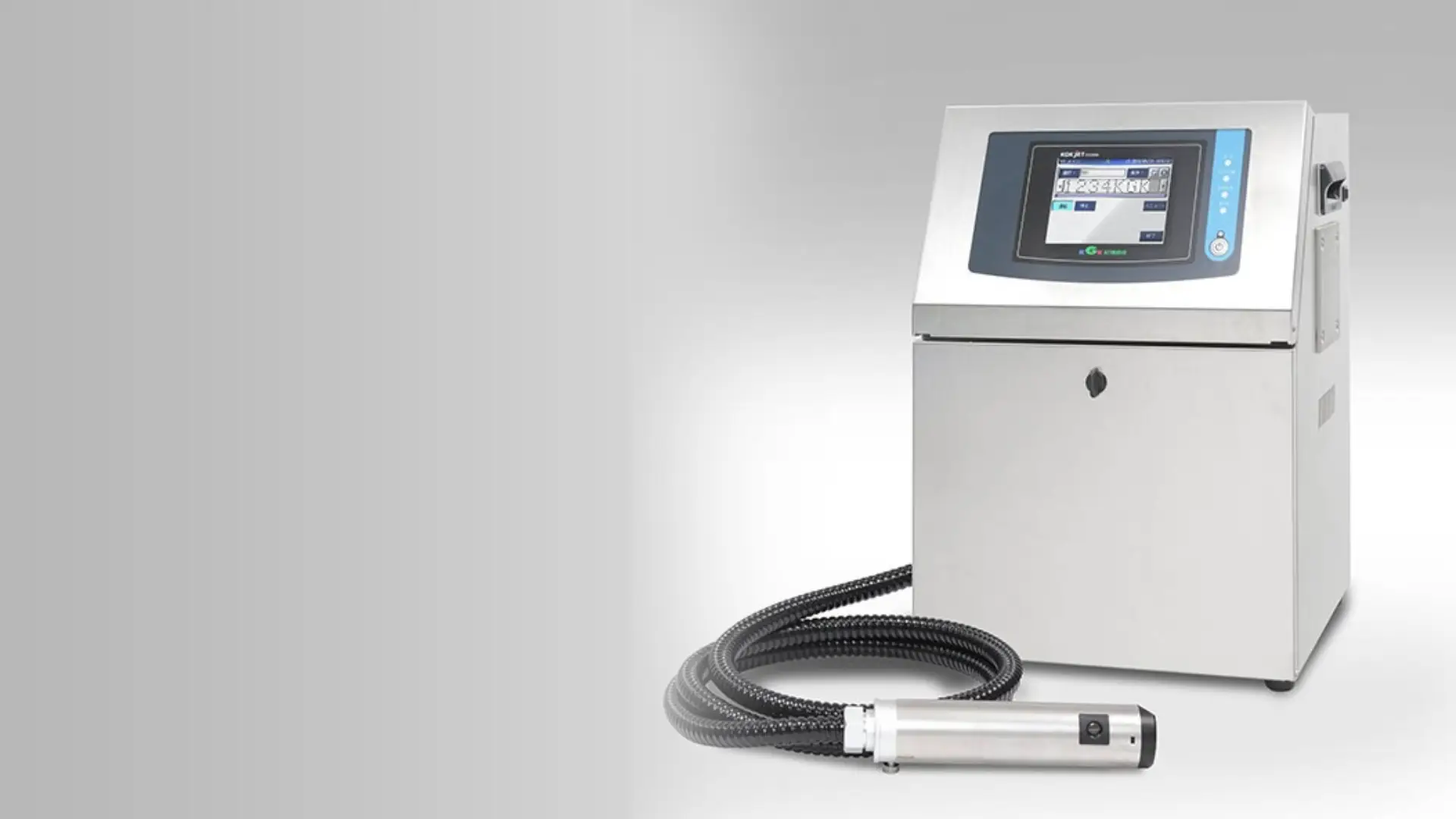
Clear batch and expiry codes on pesticide bottles, jerrycans, seed packs and fertilizer bags, from printers built for dust and chemicals.
Codes that have to stay put in harsh conditions
Agrochemicals and fertilizer are packed in dusty, chemical-heavy plants, and the packs end up in farm stores, on the back of trucks and in the field. A batch number, expiry date and product code on each pack is essential for safety, for regulators and for tracing a problem back to the factory.
The packaging varies widely: small bottles and sachets, plastic jerrycans, laminated pouches and heavy woven or polyethylene bags. Non-contact coding handles all of them, as long as the ink suits the surface and the printer can cope with dust.
What we mark
- Pesticide and herbicide bottles
- Jerrycans and drums
- Seed and fertilizer pouches
- Woven and polyethylene bags
- Printed cartons
- Pre-printed labels
Advantages for agrochemical and fertilizer producers
Features that matter in dusty, seasonal and chemical-heavy plants.
Built for dust
IP65 and IP54 models with clean-air protection keep dust and fine powders out of the head.
Inks for plastic and bags
Inks matched to HDPE jerrycans, laminated pouches and woven bags resist rubbing and handling.
Big, readable codes
Characters large enough to read across a stack in a store or on a loaded truck.
Easy upkeep
A sealing nozzle protects the head and ink, which keeps downtime low.
Season-ready
Standby upkeep keeps the printer in shape through quiet months, so it starts at once when demand returns.
Traceable batches
Batch and date codes tie each pack to a production run if questions come up.
Where we code in agrochemicals and fertilizer
Explore how coding and marking fits the packs this industry uses.
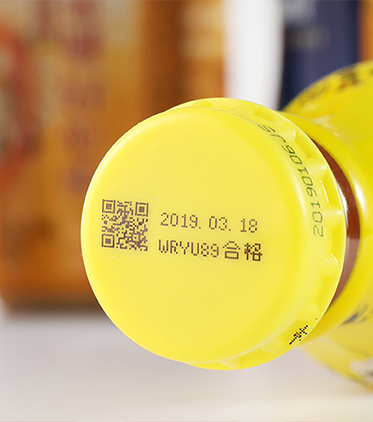
Coding on Rigid Containers
Dates and batch codes on tubs, cups, tins, jars and buckets.
View application
Coding on HDPE Bags
Dates, weights and batch codes on woven and HDPE bags.
View applicationCoding on PET Bottles
Fast, clean codes on bottles for water, drinks, oil and household liquids.
View applicationCoding on Pouch
Dates, batch codes and barcodes on stand-up pouches, pillow packs and sachets.
View application
Coding on Label
Dates, batch codes and barcodes on printed and self-adhesive labels.
View application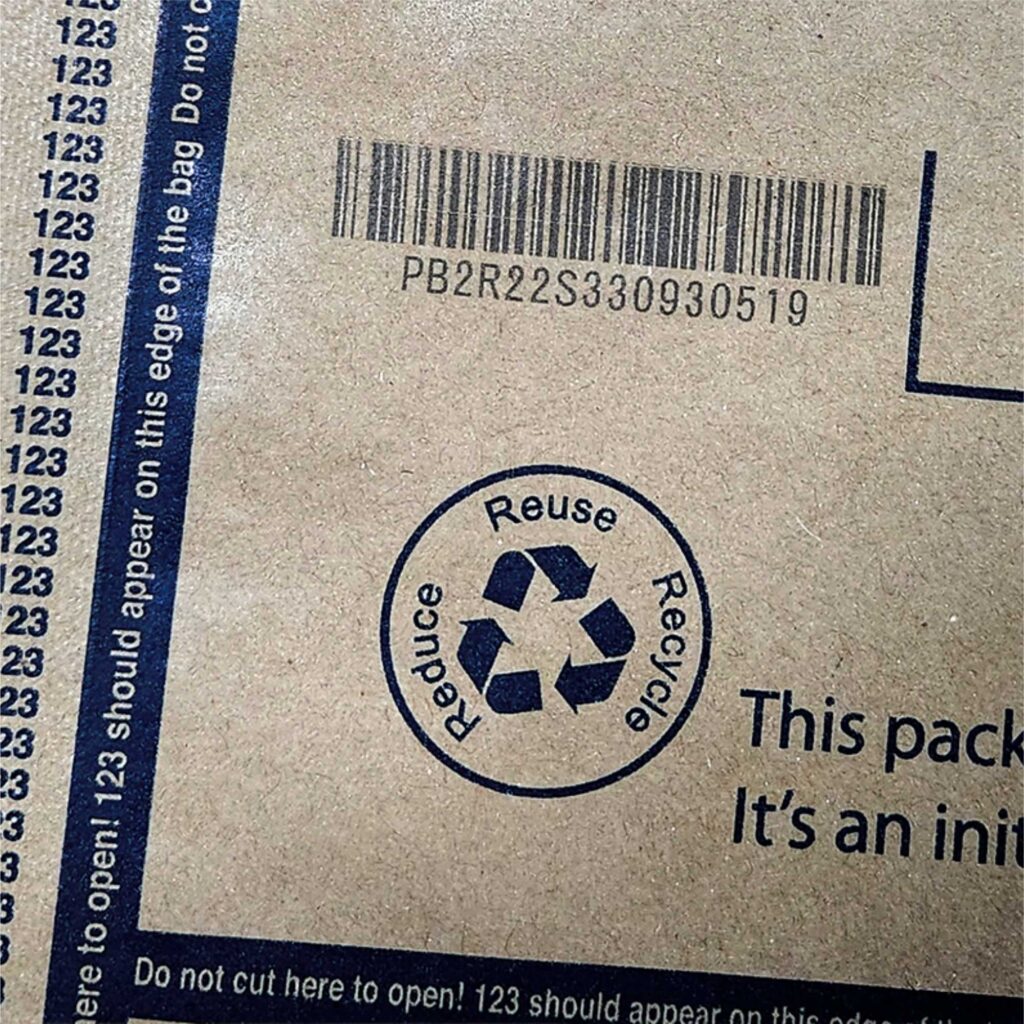
Coding on Carton Box
Large, readable codes and barcodes on corrugated cartons and cases.
View applicationWhat goes on each pack
A starting point. The exact marks depend on your product, your pack and the regulations you work to.
| Pack | Typical marks | Suggested technology |
|---|---|---|
| Pesticide bottles | Batch, expiry, product code | Continuous inkjet |
| Jerrycans and drums | Batch, expiry, lot | Continuous inkjet |
| Seed and fertilizer pouches | Batch, expiry, pack weight | Continuous inkjet |
| Woven and polyethylene bags | Batch, date, net weight, grade | Continuous inkjet or drop on demand |
| Printed cartons | Product, batch, expiry, barcode | Drop on demand |
| Pre-printed labels | Batch and date in a blank panel | Continuous inkjet |
We confirm the right technology and ink for your pack before you buy.
Built for Kenyan production lines
Kenyan agrochemical and fertilizer producers serve a seasonal market, with busy periods before the rains and quiet ones in between.
- Standby upkeep, so printers are ready when the planting rush starts.
- Printers rated for dust and warm conditions.
- Large, clear codes readable on a stack in a store or on a truck.
- Batch codes that support tracing and regulatory checks.
- Inks matched to plastic, laminate and woven bags.
- Local inks, spares and support.
Common questions
Can you code on jerrycans and drums?
Yes. Non-contact inkjet suits curved and textured plastic, and the ink is matched to the container material.
Will dust damage the printer?
Dust is a real factor, so we choose IP65 or IP54 models with clean-air protection and plan cleaning and maintenance around it.
Can woven bags carry a readable code?
Yes. With the right ink and print head position, codes can be applied to woven and laminated surfaces. We confirm this against your bag.
What about seasonal shutdowns?
Standby upkeep keeps the printer maintained during quiet periods, so it can start immediately when production restarts.
Equipment for this industry
The products we most often fit for building and construction makers.
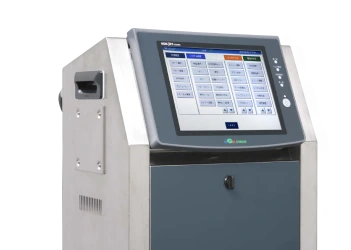
Continuous inkjet printers
Non-contact coding for dates, batch numbers and logos on fast production lines.
Explore product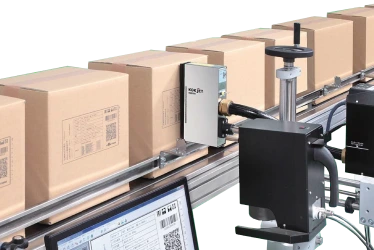
Drop on demand printers
Large-character and high-resolution coding for cartons, cases and outer packaging.
Explore product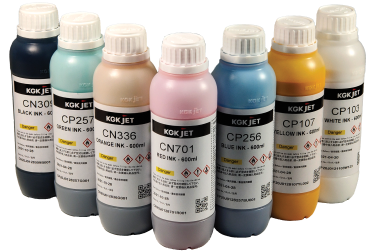
Inks and consumables
Quality inks, solvents and spare parts matched to your printer and surface.
Explore productExplore other industries
See how we approach coding and marking in other sectors.
Ready to talk about coding for agrochemicals and fertilizer?
Tell us what you make and how fast you run, and our team will respond with options and next steps.
Make an enquiry