Coding on Rigid Containers
Legible dates and batch codes for tubs, cups, tins, jars and buckets holding anything from yoghurt and cooking fat to paint and lubricants.
One system for many shapes and materials
Rigid containers come in every shape and material: plastic tubs and cups, metal tins, jars, buckets and jerrycans. Some are round, some tapered, some ribbed, and the surface may be glossy, textured or already printed. Kenyan food, paint and lubricant packers often run several of these on one site.
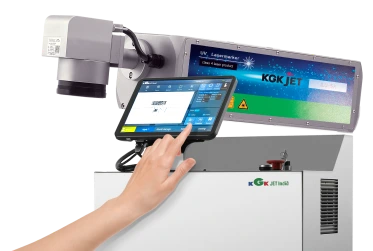
Non-contact inkjet puts the code on lids, rims, sides or bases without touching the container, whatever its shape. Where a permanent mark is preferred, laser can code suitable plastics and metals without ink. We match method and ink to your container material.
What we code on rigid containers
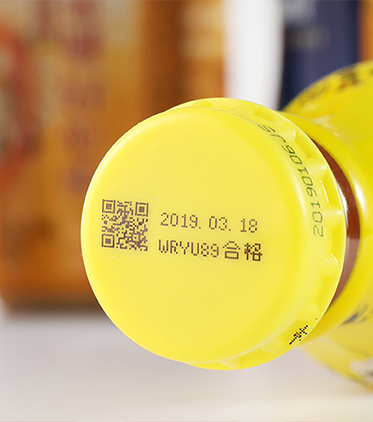
- Production and expiry dates
- Batch and lot numbers
- Product codes and short text
- Barcodes and QR codes
- Plant or line codes
Key features
What you can expect from a coding system set up for this pack.
- Any shape, any angleNon-contact heads code lids, rims, sides and bases on round, tapered and ribbed containers.
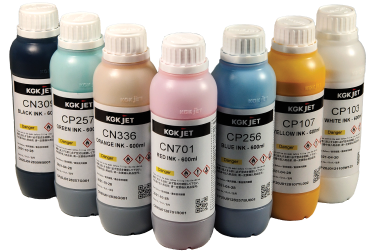
- Inks for plastic and metalInks matched to polypropylene, polyethylene, tinplate and coated surfaces resist handling.
- Ink or laserUse ink where flexibility matters, or laser where a permanent, ink-free mark is preferred.
- Quick product changesStore a message per product and size so the line can switch container types without long stops.
Built for Kenyan production lines
Dairies, paint makers and lubricant blenders in Kenya often fill several container sizes on one line, in warm conditions and with frequent changeovers.
- Fast changeovers between container sizes and products.
- Inks suited to warm storage and long transport on Kenyan roads.
- Advice for codes that must stay legible on chilled and damp containers, such as yoghurt and ice-cream tubs.
- Local inks, solvents and spares, with maintenance plans for busy plants.
- Training so your own team can change messages and clean the print head with confidence.
Recommended equipment
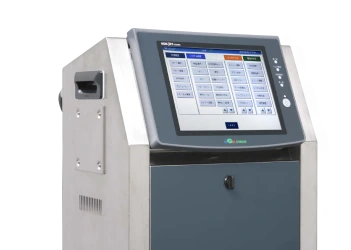
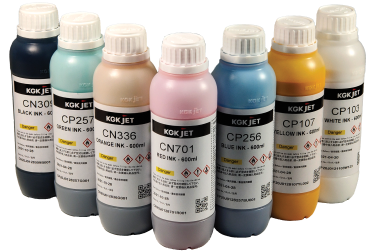
The products we most often fit for this application.
How we work with you
Whatever you come to us for, the same clear process applies from first call to ongoing support.
-
Assess
We learn about your product, packaging, line speed and what needs to be printed.
-
Recommend
We propose the right printer, ink and layout, with a clear quote.
-
Install and train
We install and commission the system and train your operators on the line.
-
Support
Inks, spares and maintenance keep production running, with our team a call away.
Common questions
Can you code on curved or ribbed containers?
Yes. Non-contact inkjet suits curved and uneven surfaces, and the print head position is set to give the cleanest result on your container.
Can the code go on a lid instead of the container body?
Yes. Lids, rims and bases can all be coded, depending on your line layout and where the code needs to be read.
What about wet or chilled tubs?
Moisture at the print point affects adhesion. We look at the line and may suggest a drying step or a different print position before recommending a system.
Explore other applications
See how we approach coding on other kinds of packaging.
- Coding on Pouch
- Coding on Tetra Pak
- Coding on Flexible Films and Foil
- Coding on PET Bottles
- Coding on Carton Box
- Coding on Shrink wrap
- Coding on Glass Bottles
- Coding on Cable and Wire
- Coding on Pipe
- Coding on Rubber parts
- Coding on Metal
- Coding on Label
- Coding on Ceramic
- Coding on Wood
- Coding on Food
- E-Commerce Packaging
- Software Integration - Coding Application
- Coding on HDPE Bags
Ready to talk about your line?
Tell us what you pack and how fast you run, and our team will respond with options and next steps.
Make an enquiry