Coding on Wood
Grade, size and batch marks on sawn timber, plywood, pallets and furniture parts.
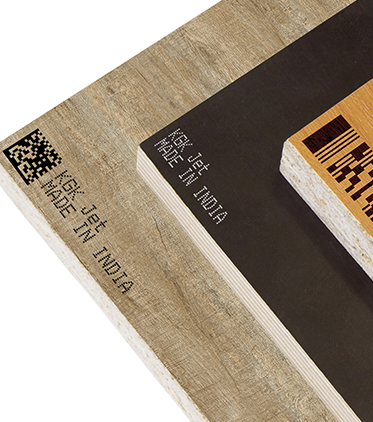
Clear marks on a surface that is never quite the same twice
Wood is porous, textured and different from board to board, which makes it one of the harder surfaces to code. Sawn timber, plywood, pallets, fencing posts and furniture parts all need marks for grade, size, batch or treatment that stay readable through storage, weather and handling.
Drop on demand printers give large, clear characters and barcodes on porous and rough wood, while continuous inkjet suits smoother boards and finished parts. Laser can leave a permanent mark on suitable wood without ink. We choose the method after looking at the wood, its finish and your line.
What we mark on wood
- Grade, size and species details
- Batch and lot numbers
- Production dates
- Treatment or export markings where required
- Barcodes and product codes
Key features
What you can expect from a coding system set up for this pack.
- Made for absorbent surfacesDrop on demand printing gives crisp characters on rough, absorbent and uneven wood.
- Large, readable marksCharacters big enough to read across a stack or pallet.
- Ink or laserPick ink for fast, flexible marking or laser for a permanent mark on suitable wood.
- Dust-aware setupWe plan head position, cleaning and upkeep around sawdust and fine wood dust.
Built for Kenyan production lines
Kenyan sawmills, plywood makers and furniture producers work with a wide range of timber in dusty yards and workshops, and sell to buyers who ask for clear grading and traceability.
- Heads and cleaning routines planned around sawdust and fine wood dust.
- Large, clear marks that can be read across a stack in a yard or warehouse.
- Markings for treated and export pallets where buyers or plant health rules require them.
- Local inks, spares and fault response.
- Training for operators so message changes between grades and sizes are quick.
Recommended equipment
The products we most often fit for this application.
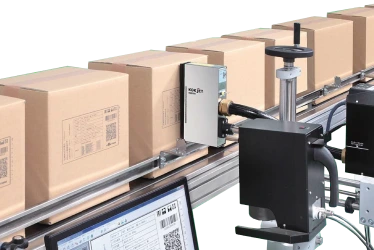
Drop on demand printers
Large-character marks and barcodes on rough, porous timber and plywood.
Explore product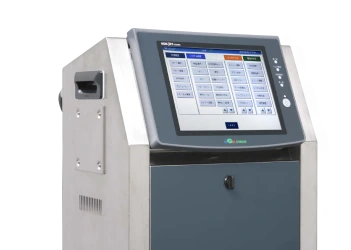
Continuous inkjet printers
Fast inkjet codes on smoother boards and finished wood parts.
Explore product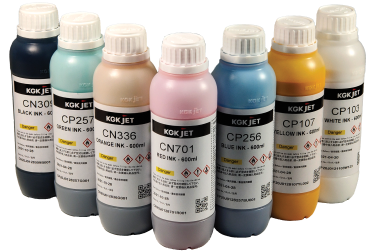
Inks and consumables
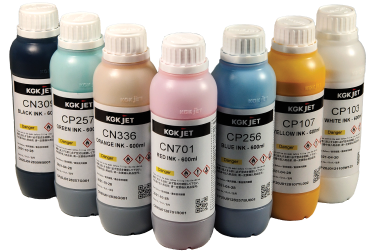
Inks for porous and finished wood in black and coloured options.
Explore productHow we work with you
Whatever you come to us for, the same clear process applies from first call to ongoing support.
-
Assess
We learn about your product, packaging, line speed and what needs to be printed.
-
Recommend
We propose the right printer, ink and layout, with a clear quote.
-
Install and train
We install and commission the system and train your operators on the line.
-
Support
Inks, spares and maintenance keep production running, with our team a call away.
Common questions
Can you print on rough sawn timber?
Yes. Drop on demand printers are made for porous, uneven surfaces and give clear characters on rough wood.
Will the marks survive weather?
Durability depends on the ink and the exposure. For outdoor storage we confirm the ink and the finish with you before recommending a system.
Can you mark treated or export pallets?
We can print the information you need on pallets. Which markings are required depends on your buyer and plant health rules, so we work from your specification.
Explore other applications
See how we approach coding on other kinds of packaging.
- Coding on Pouch
- Coding on Tetra Pak
- Coding on Flexible Films and Foil
- Coding on PET Bottles
- Coding on Carton Box
- Coding on Rigid Containers
- Coding on Shrink wrap
- Coding on Glass Bottles
- Coding on Cable and Wire
- Coding on Pipe
- Coding on Rubber parts
- Coding on Metal
- Coding on Label
- Coding on Ceramic
- Coding on Food
- E-Commerce Packaging
- Software Integration - Coding Application
- Coding on HDPE Bags
Ready to talk about your line?
Tell us what you pack and how fast you run, and our team will respond with options and next steps.
Make an enquiry