Coding on PET Bottles
Quick, clean codes on PET and plastic bottles of water, soft drinks, cooking oil and household liquids.
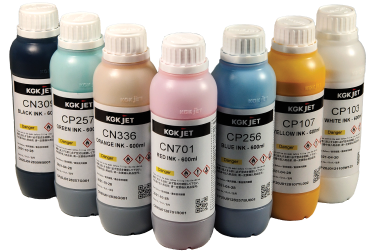
Codes that last from filler to shelf
PET and plastic bottles carry much of the beverage, edible oil and household liquids trade in Kenya. They are curved, often cold or wet from filling and rinsing, and they move along conveyors at speed, so the code has to be applied without contact and set before the next handling step.
Continuous inkjet suits the job. The head sits beside the conveyor and marks round and shaped bottles on the neck, shoulder, body or base. With an ink that bonds to plastic, codes stay readable through condensation, crating and transport.
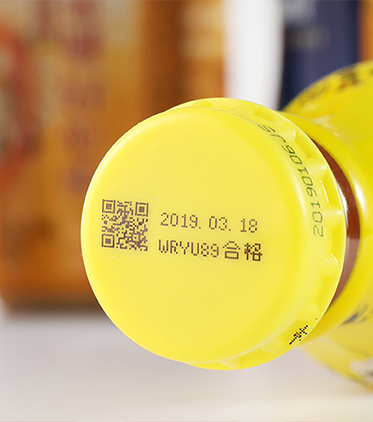
What we code on bottles
- Production and expiry dates
- Batch and lot numbers
- Production time and shift
- Plant and line codes
- Barcodes and short text lines
Key features
What you can expect from a coding system set up for this pack.
- Touch-free on curvesThe print head never touches the bottle, so round, tapered and shaped bottles are coded just as easily.
- Full line speedCodes print at conveyor speed, so the printer never holds the line back.
- Plastic-grip inksQuick-setting inks bond to PET and other plastics and resist moisture.
- Straightforward fittingBrackets and head positions are set to suit your conveyor and your choice of neck, shoulder or base coding.
Built for Kenyan production lines
Water, soda and juice bottlers run fast lines through long shifts, often in hot weather. Oil and household liquid packers have their own challenges, from slick bottles to frequent product changes.
- Reliability for long shifts, with maintenance plans and fast fault response.
- Positions and air knives to deal with condensation on chilled bottles and with rinse water at the print point.
- Fast message changes for lines that switch between sizes and products.
- Inks and spares kept in stock locally, so you are not waiting on an overseas shipment.
- Dates and batch codes that are clear and consistent, in line with Kenyan labelling requirements.
Recommended equipment
The products we most often fit for this application.
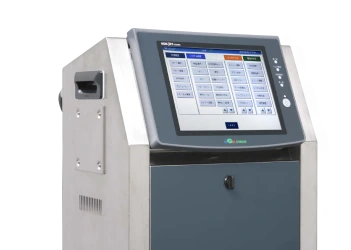
Continuous inkjet printers
Non-contact coding at conveyor speed on the neck, shoulder, body or base of the bottle.
Explore product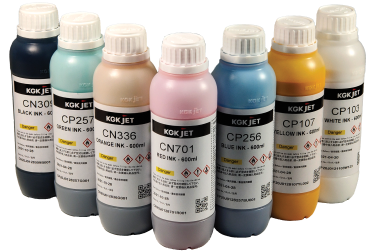
Inks and consumables
Inks that bond to PET and resist condensation and handling.
Explore product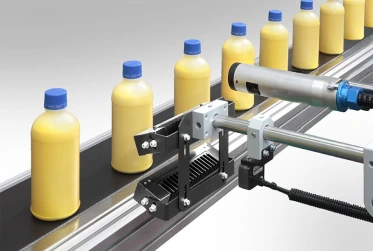
Print examiners
Camera checks that every bottle leaves the line with a complete, readable code.
Explore productHow we work with you
Whatever you come to us for, the same clear process applies from first call to ongoing support.
-
Assess
We learn about your product, packaging, line speed and what needs to be printed.
-
Recommend
We propose the right printer, ink and layout, with a clear quote.
-
Install and train
We install and commission the system and train your operators on the line.
-
Support
Inks, spares and maintenance keep production running, with our team a call away.
Common questions
Will the code survive condensation and chilling?
With the right ink and a clean, dry print surface, codes hold up well. If bottles are wet at the print point we suggest an air knife or a different position, and we check this on your line.
Can you code on the cap, neck or base?
Yes. The print head can be positioned for the neck, shoulder, body or base, depending on the bottle path and the space around your conveyor.
Is laser an option for PET bottles?
Laser marking can work on some plastics, but inkjet is the usual choice for PET bottles. We advise after assessing your bottle and your line.
Explore other applications
See how we approach coding on other kinds of packaging.
- Coding on Pouch
- Coding on Tetra Pak
- Coding on Flexible Films and Foil
- Coding on Carton Box
- Coding on Rigid Containers
- Coding on Shrink wrap
- Coding on Glass Bottles
- Coding on Cable and Wire
- Coding on Pipe
- Coding on Rubber parts
- Coding on Metal
- Coding on Label
- Coding on Ceramic
- Coding on Wood
- Coding on Food
- E-Commerce Packaging
- Software Integration - Coding Application
- Coding on HDPE Bags
Ready to talk about your line?
Tell us what you pack and how fast you run, and our team will respond with options and next steps.
Make an enquiry