Automotive
Part numbers, batch codes and barcodes on automotive parts, lubricants, hoses and accessories, for traceability that lasts.
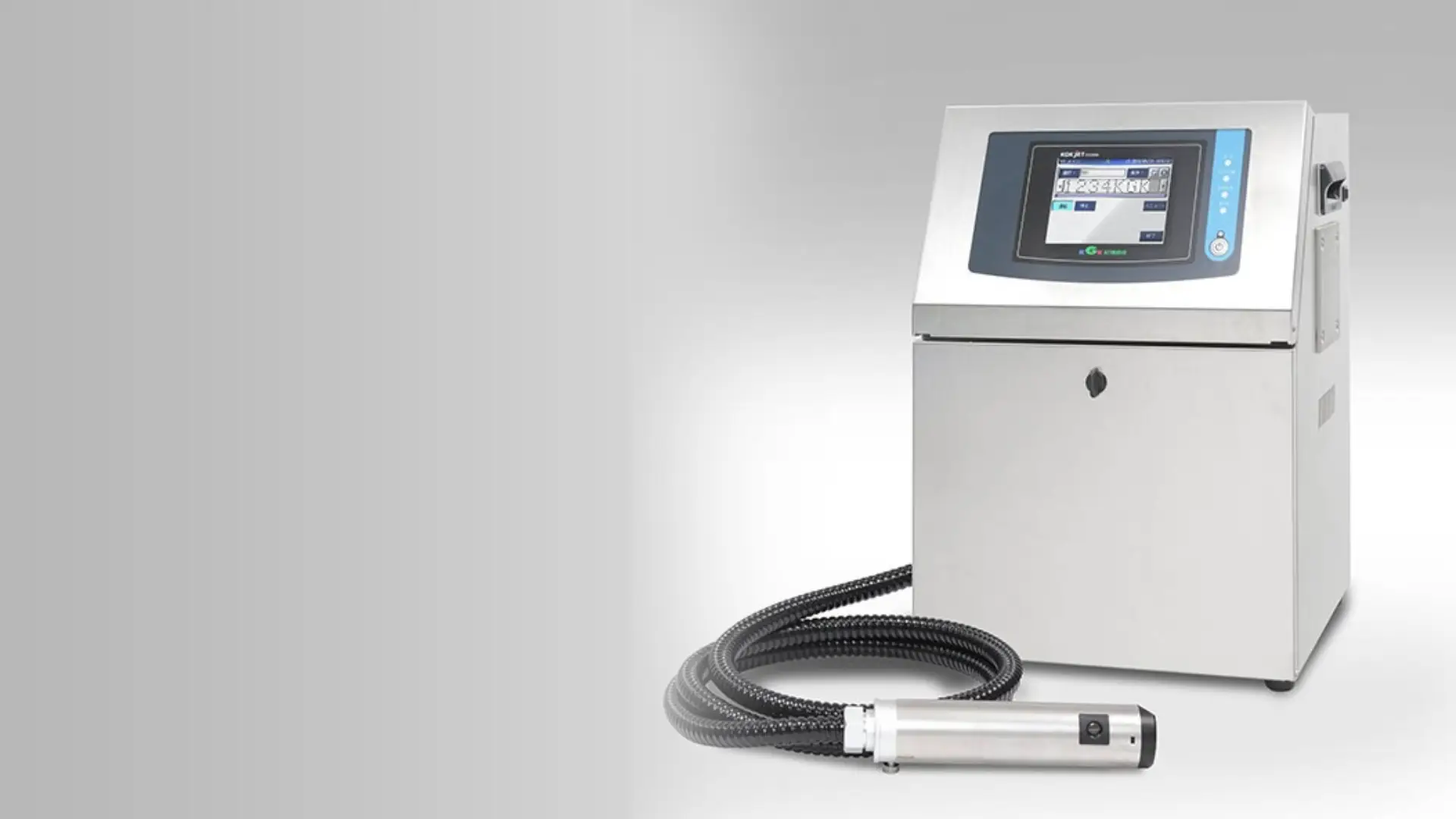
Traceable parts from the line to the workshop
Vehicle parts and fluids pass through many hands: manufacturers, distributors, garages and owners. A clear part number, batch code or barcode on each item lets everyone identify it, reorder it and, if needed, trace a problem back to the batch it came from.
Automotive products are marked on rubber, metal, plastic and cardboard, in oily and dusty conditions. Inkjet handles fast, flexible marking on packs and many surfaces, and laser marking gives a permanent, ink-free mark on parts that must stay legible for years.
What we mark
- Rubber hoses, seals and gaskets
- Metal and plastic components
- Lubricant and coolant containers
- Batteries, filters and accessories
- Retail cartons
- Shipping cartons
Advantages for automotive suppliers
Features that matter when parts have to be identified for years after they leave the line.
Many materials, one supplier
Inks and lasers suited to rubber, metal, plastic and cardboard.
Laser for permanence
A laser mark becomes part of the part, so it will not rub off in service.
Codes proven readable
A print examiner can confirm that part numbers and 1D or 2D codes are present and legible.
Quick changeovers
Store a message for each part number and switch between them as the line changes.
Tough printers
IP65 and IP54 models with clean-air protection cope with oily, dusty factory and workshop conditions.
Batch traceability
Batch and date marks tie each part to a production run.
Where we code in automotive
Explore how coding and marking fits the parts and products this industry makes.
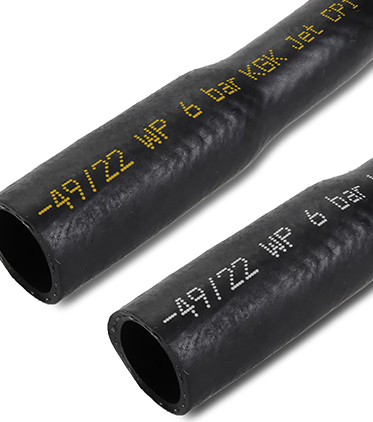
Coding on Rubber parts
Part numbers and batch codes on hoses, seals, gaskets and moulded rubber.
View applicationCoding on Metal
Dates, batch codes and part numbers on cans, sheets, steel and aluminium.
View application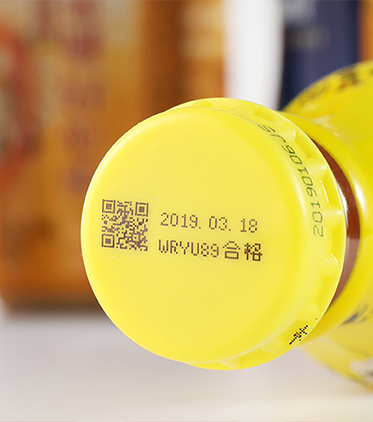
Coding on Rigid Containers
Dates and batch codes on tubs, cups, tins, jars and buckets.
View application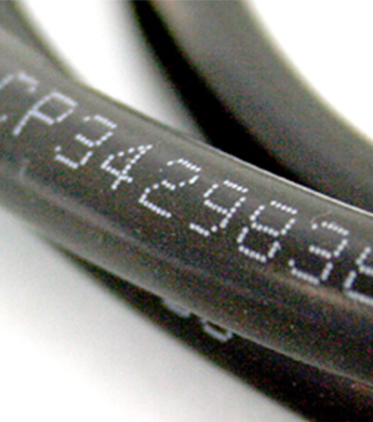
Coding on Cable and Wire
Size, voltage and length marks on cable and wire at extrusion speed.
View application
Coding on Label
Dates, batch codes and barcodes on printed and self-adhesive labels.
View application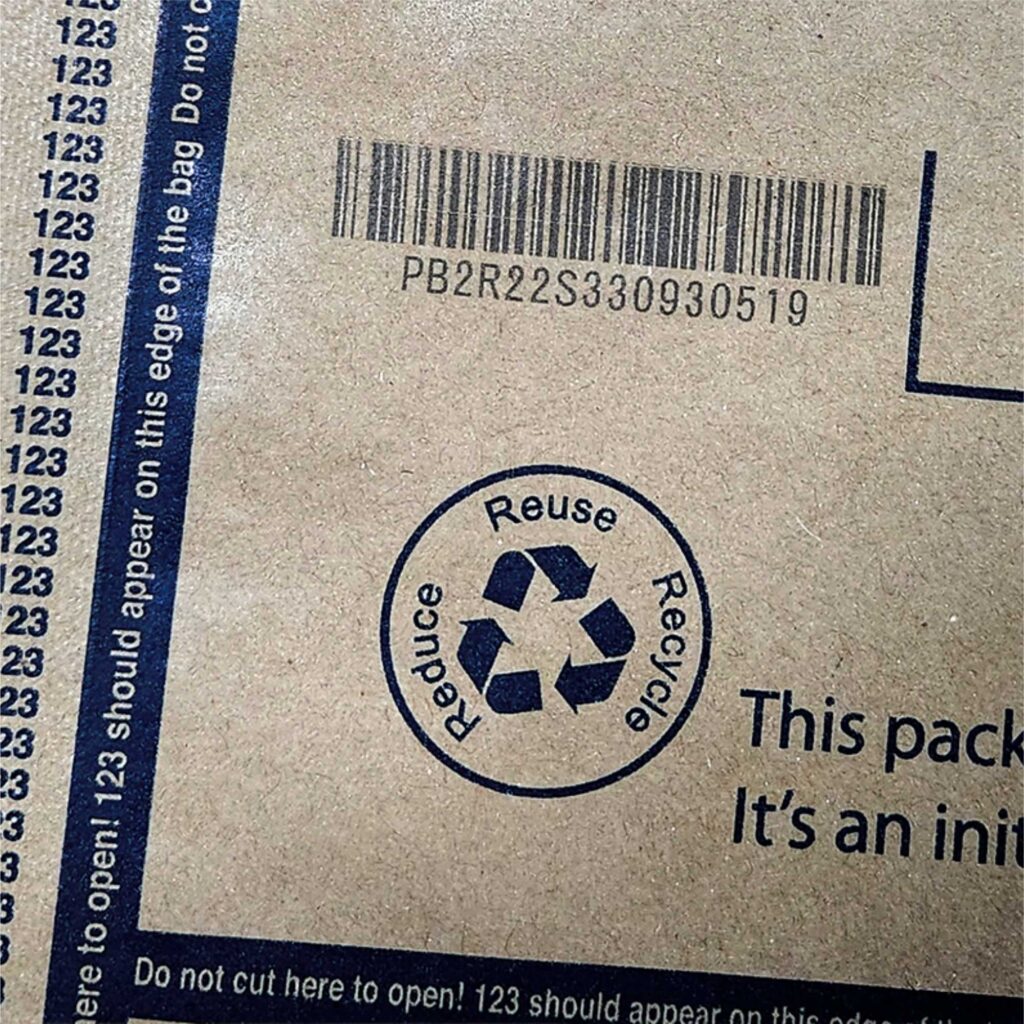
Coding on Carton Box
Large, readable codes and barcodes on corrugated cartons and cases.
View applicationWhat goes on each product
A starting point. The exact marks depend on the part, the material and your customers specification.
| Product | Typical marks | Suggested technology |
|---|---|---|
| Rubber hoses, seals and gaskets | Part number, batch, cure date | Continuous inkjet or laser marking |
| Metal and plastic parts | Part number, batch, 2D code | Laser marking or continuous inkjet |
| Lubricant and coolant containers | Batch, date, product code | Continuous inkjet |
| Batteries and filters | Batch, date, model code | Continuous inkjet |
| Retail cartons | Product, part number, barcode | Drop on demand |
| Shipping cartons | Order, batch, barcode | Drop on demand |
We confirm the right technology and ink for your material before you buy.
Built for Kenyan production lines
Kenyan parts makers, lubricant blenders and assemblers supply workshops, fleets and retailers, where a part that cannot be identified cannot be reordered.
- Marks that stay readable through oil, dust and handling in workshops.
- Help choosing between high-contrast inkjet and laser for your material.
- Verified barcodes that scan in distributors and workshop stores.
- Batch codes that help trace a part if a quality question comes back.
- Local inks, spares and fault response.
- Training for operators and quality teams.
Common questions
Can you mark black rubber?
Yes. Light-coloured inks give strong contrast on black rubber, and laser marking is an ink-free alternative.
Can parts carry a 2D code?
Yes. Inkjet and laser can print 2D codes, and a print examiner can check that they are present and readable.
Is laser marking permanent?
Yes. A laser mark becomes part of the surface, so it will not rub off. Suitability depends on the material, so we assess it with you.
Can one printer mark lubricant containers and cartons?
Inkjet suits containers, and drop on demand suits cartons. We recommend the right mix for your line.
Equipment for this industry
The products we most often fit for building and construction makers.
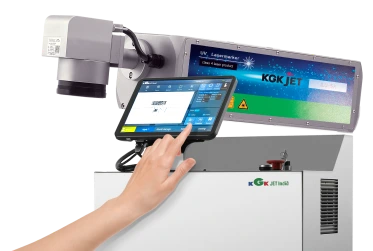
Laser marking machines
Permanent, ink-free marks on plastic, metal, glass, paper and cable.
Explore product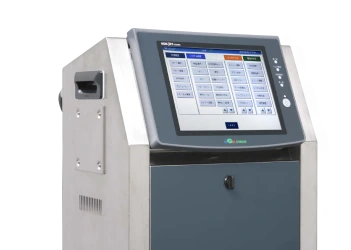
Continuous inkjet printers
Non-contact coding for dates, batch numbers and logos on fast production lines.
Explore product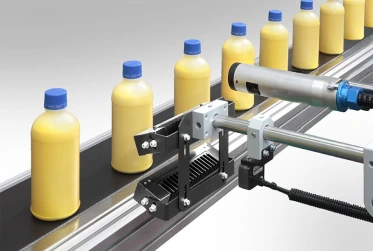
Print examiners
Camera inspection that checks every code is present, readable and correct.
Explore productExplore other industries
See how we approach coding and marking in other sectors.
Ready to talk about coding for automotive?
Tell us what you make and how fast you run, and our team will respond with options and next steps.
Make an enquiry