Coding on Pouch
Readable dates, batch codes and barcodes for stand-up pouches, pillow packs and sachets, whether they hold flour, sugar, spices, juice or detergent.
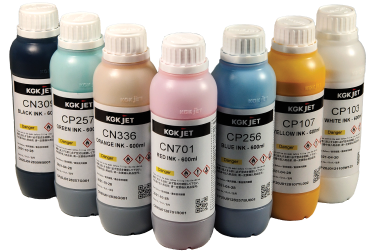
Clear codes on a pack that flexes and moves
Kenyan shelves and kiosk counters are full of pouches, from small sachets to family packs of flour, rice and sugar. The film bends and crinkles and often runs through a form-fill-seal machine at speed, which makes a clean code harder to achieve than on a rigid pack.
Continuous inkjet marks the pouch without touching it, so the code goes on while the film is moving, whether the pack is printed laminate or plain polyethylene. Matching the ink to the film and choosing the position relative to the seal are what keep the code sharp and hard to rub off.
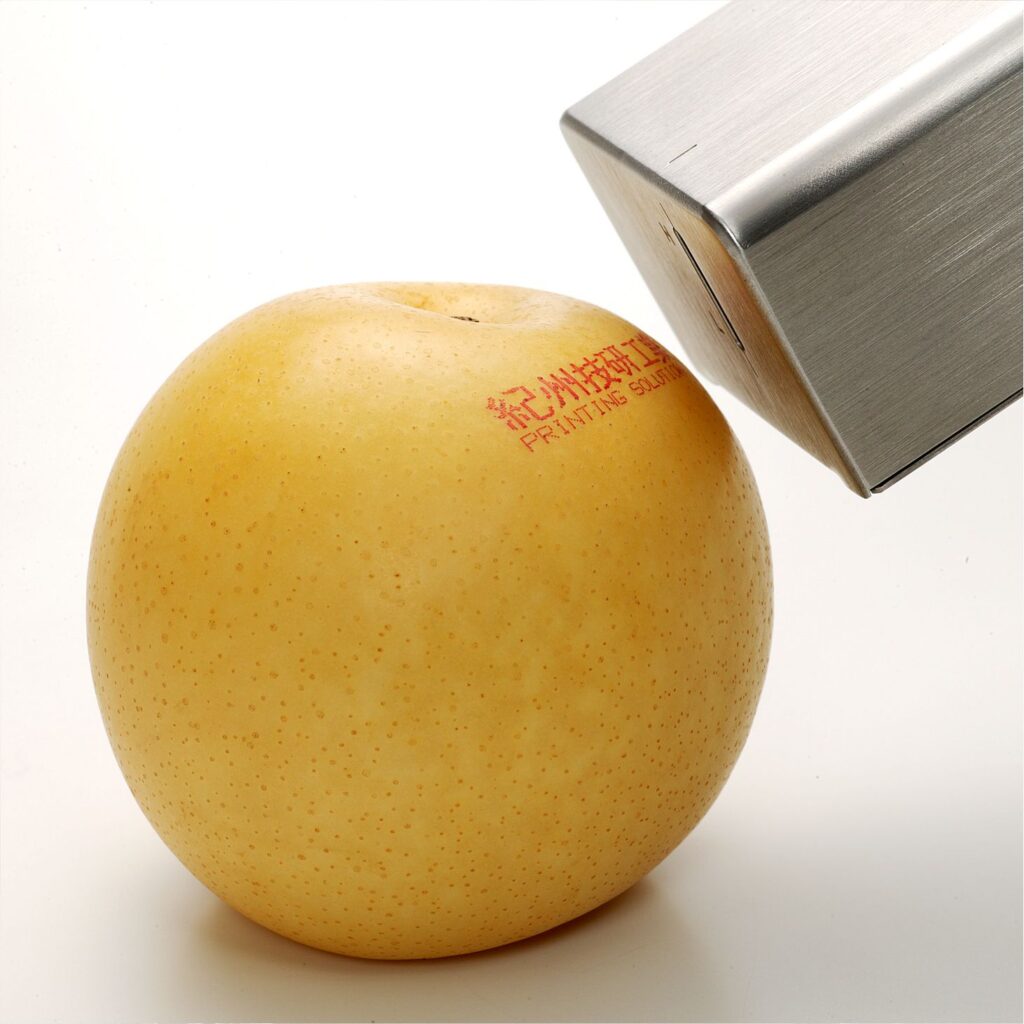
What we code on pouches
- Manufacturing and expiry dates
- Batch and lot numbers
- Barcodes and QR codes
- Short text lines and logos
- Line or shift codes for traceability
Key features
What you can expect from a coding system set up for this pack.
- Touch-free markingNothing presses on the thin film, so the pouch is not creased and the seal stays clean.
- Quick-setting inksCodes dry fast, so packs can go straight into cartons without smudging.
- Placement optionsPrint beside the seal, on a clear window or on a printed panel, wherever your pack design leaves room.
- Fast changeoversSave a message for each product and pack size, and switch between them when the line changes.
Built for Kenyan production lines
Pouch lines in Kenya often run several products and pack sizes through the same machine, in warm and dusty conditions. These are the things we plan for.
- Fast message changes, because one line often packs several products and sizes.
- A printer that is easy to keep clean and maintain in dusty, warm and humid factories.
- Advice on stabilisers and UPS protection, so a power dip does not cost you a shift.
- Inks and common spares available locally, so you are not waiting on an overseas shipment.
- Clear date and batch codes that support Kenyan labelling requirements for food and household products.
Recommended equipment
The products we most often fit for this application.
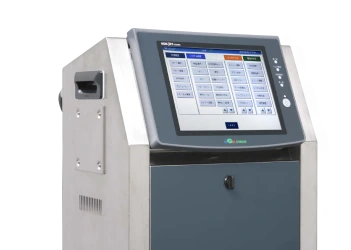
Continuous inkjet printers
Non-contact coding at line speed for dates, batch numbers and barcodes on moving pouches.
Explore product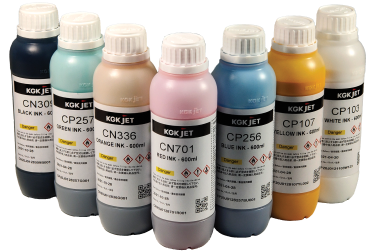
Inks and consumables
Inks matched to your film, whether laminate, metallised or plain polyethylene.
Explore product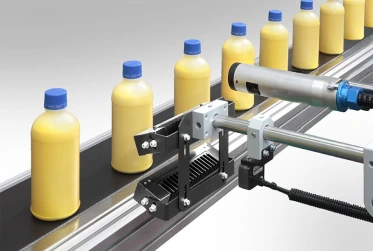
Print examiners
A camera check that every pouch carries a readable code before it is packed.
Explore productHow we work with you
Whatever you come to us for, the same clear process applies from first call to ongoing support.
-
Assess
We learn about your product, packaging, line speed and what needs to be printed.
-
Recommend
We propose the right printer, ink and layout, with a clear quote.
-
Install and train
We install and commission the system and train your operators on the line.
-
Support
Inks, spares and maintenance keep production running, with our team a call away.
Common questions
Can an inkjet printer code on glossy or laminated pouch film?
Yes, with the right ink. Glossy and laminated films need inks made to bond to them, so we confirm the ink against your film before recommending a system.
Where on the pouch can the code go?
Usually on the top or bottom band near the seal, or on a clear panel left for the purpose. The best position depends on your machine and pack design, and we assess it on your line.
Can one printer handle different pouch sizes?
Yes. Messages for each product and size are stored in the printer, so a changeover is a matter of selecting the right message and adjusting the print head position.
Explore other applications
See how we approach coding on other kinds of packaging.
- Coding on Tetra Pak
- Coding on Flexible Films and Foil
- Coding on PET Bottles
- Coding on Carton Box
- Coding on Rigid Containers
- Coding on Shrink wrap
- Coding on Glass Bottles
- Coding on Cable and Wire
- Coding on Pipe
- Coding on Rubber parts
- Coding on Metal
- Coding on Label
- Coding on Ceramic
- Coding on Wood
- Coding on Food
- E-Commerce Packaging
- Software Integration - Coding Application
- Coding on HDPE Bags
Ready to talk about your line?
Tell us what you pack and how fast you run, and our team will respond with options and next steps.
Make an enquiry