Coding on Ceramic
Batch, size, shade and date codes for ceramic tiles, sanitaryware and tableware.
Codes that carry batch and shade from kiln to shop
Ceramic products reach the coding point hard, dusty and sometimes slightly porous, depending on whether they are fired or unfired. Tiles, sanitaryware and tableware all need a code for batch, size and shade, because small colour differences between batches matter to buyers and installers.
Inkjet on the back of tiles, or the base of sanitaryware and tableware, gives a fast, readable code. Laser marking offers a permanent, ink-free option for fired ceramic. We recommend the method after looking at the material, the finish and whether the code goes on before or after firing.
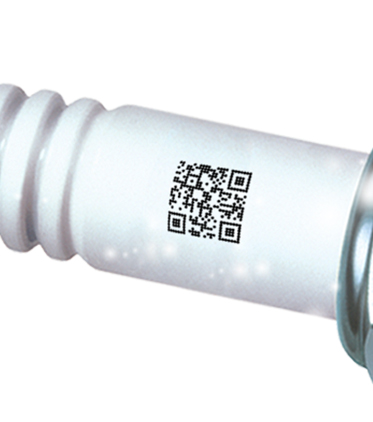
What we code on ceramic
- Batch and lot numbers
- Shade and size codes
- Production dates
- Factory and line identifiers
- Barcodes and QR codes
Key features
What you can expect from a coding system set up for this pack.
- Shade and batch trackingCodes tell installers which tiles share a batch and shade, so projects match.
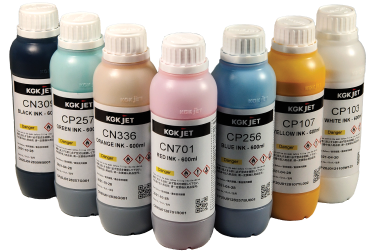
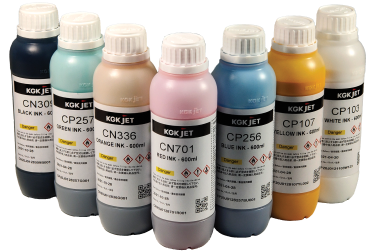
- Inks for hard surfacesInks chosen to bond with glazed and unglazed ceramic and resist rubbing in packing and transport.
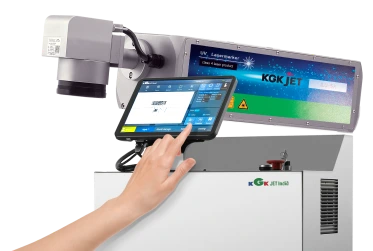
- Permanent laser optionA laser mark on fired ceramic is permanent and survives cleaning and handling.
- Line-speed printingNon-contact printing keeps up with tile and sanitaryware lines.
Built for Kenyan production lines
Kenyan tile and sanitaryware makers sell into building and renovation projects, where buyers and contractors expect matching shades across a whole project.
- Batch and shade codes that help dealers and contractors match tiles across an order.
- Printers and lasers that cope with kiln dust and warm factory halls.
- Codes that stay legible through packing, stacking and transport.
- Local inks, spares and maintenance plans for continuous production.
- Operator training for quick message changes between tile sizes and products.
Recommended equipment
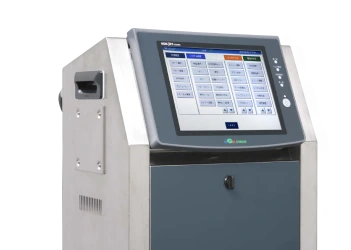
The products we most often fit for this application.
How we work with you
Whatever you come to us for, the same clear process applies from first call to ongoing support.
-
Assess
We learn about your product, packaging, line speed and what needs to be printed.
-
Recommend
We propose the right printer, ink and layout, with a clear quote.
-
Install and train
We install and commission the system and train your operators on the line.
-
Support
Inks, spares and maintenance keep production running, with our team a call away.
Common questions
Can you code on the back of tiles at line speed?
Yes. Non-contact inkjet heads can sit under or beside the conveyor to code the back of tiles as they pass.
Can the code be applied before firing?
That depends on your process. Codes applied before firing must survive the kiln, so we discuss your process and options before recommending a method.
Is laser marking suitable for ceramic?
Laser can mark fired ceramic permanently. Whether it suits your product depends on the material and finish, which we assess with you.
Explore other applications
See how we approach coding on other kinds of packaging.
- Coding on Pouch
- Coding on Tetra Pak
- Coding on Flexible Films and Foil
- Coding on PET Bottles
- Coding on Carton Box
- Coding on Rigid Containers
- Coding on Shrink wrap
- Coding on Glass Bottles
- Coding on Cable and Wire
- Coding on Pipe
- Coding on Rubber parts
- Coding on Metal
- Coding on Label
- Coding on Wood
- Coding on Food
- E-Commerce Packaging
- Software Integration - Coding Application
- Coding on HDPE Bags
Ready to talk about your line?
Tell us what you pack and how fast you run, and our team will respond with options and next steps.
Make an enquiry