Inks and consumables
The right ink for your surface and your printer, from general purpose black to UV-curable, edible and fluorescent inks.
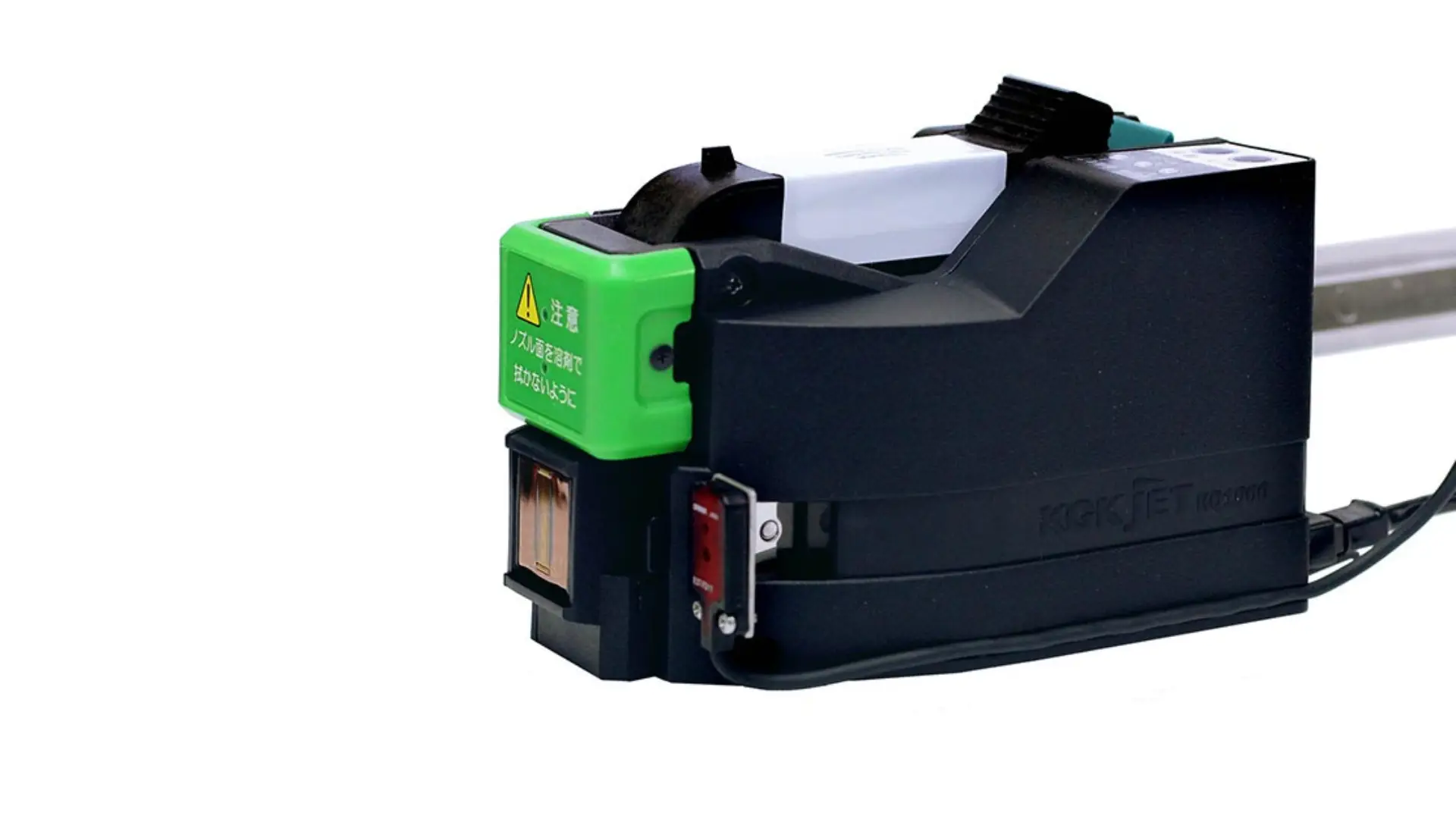
The right ink makes the code last
Choosing an industrial inkjet ink depends largely on the surface being printed. How the surface wets, absorbs and dries decides whether a code is sharp, durable and readable, so the same printer can give very different results with the wrong ink.
We supply inks and make-up fluids for continuous inkjet and drop on demand printers, from standard coding inks to UV-curable, edible, fluorescent and custom formulations. We recommend an ink after looking at your product and surface, and we advise proving it on your own samples before you commit.
What you get
- Inks matched to your surface and your printer
- Codes that dry fast and resist rubbing, oil and moisture
- Special inks for retort, food, glass, ceramic and cable
- Colour options, including white and fluorescent
- Inks and make-up fluid supplied locally
What we supply
Six families of ink cover most coding and marking jobs.
Everyday coding inks
General-purpose black inks in MEK, ethanol, MIPK and water-based versions, with grades for plastic adhesion, oil resistance and quick drying.
UV-cured inks
For non-porous surfaces such as film, plastic and metal on drop on demand printers. They set under UV light, so the setup includes a UV lamp.
Edible inks
Made from food-approved ingredients, for marking food and edible products directly.
Fluorescent security inks
Invisible in normal light and read under UV, used for security and anti-counterfeiting marks on glass and other surfaces.
White and colour inks
White for dark surfaces, plus red, blue, green, yellow and brown for contrast and colour coding.
Special-purpose grades
Retort-proof inks that survive sterilisation at around 120 degrees Celsius, plus grades for ceramic, soft PVC cable, glass and electronics, and custom blends on request.
Inks for continuous inkjet printers
Continuous inkjet inks are solvent-based and chosen to suit the surface and the job.
- MEK-based inks dry fast, with grades for polypropylene and polyethylene adhesion and for resisting oil.
- Ethanol-based inks include general-purpose black and white options.
- MIPK-based inks grip polypropylene and polyethylene strongly.
- Water-based inks in black and green are cleaned with a mildly alkaline solution.
- Special grades cover retort packs, glass, ceramic, soft PVC cable and electronics.
Inks for drop on demand printers
Drop on demand fluids are matched to the print head and to whether the surface is porous.
- Water-based and oil-based inks for paper, cardboard and other absorbent surfaces.
- Ethanol-based inks, including colours, for non-porous surfaces such as film, plastic and metal.
- UV-cured inks for non-porous surfaces, which need UV light to set.
- Dedicated inks for expanded polystyrene foam.
- Colours include black, red, blue, green and yellow.
Which ink for which surface
A starting point only. The exact grade depends on your printer, your product and the conditions it must survive.
| Surface | Typical ink | Notes |
|---|---|---|
| Paper, cardboard and corrugated | Water-based or oil-based (drop on demand) | Porous surfaces absorb the ink, so the code dries quickly. |
| Plastic film and rigid plastic | MEK, ethanol or MIPK (continuous inkjet), UV-cured (drop on demand) | Choose a grade made for good adhesion to polypropylene or polyethylene. |
| Glass | MEK or ethanol grade for glass, with a fluorescent option | Moisture and washing affect durability, so we check this with you. |
| Metal and cans | MEK-based (continuous inkjet), UV-cured (drop on demand) | Oil on the surface can reduce adhesion. |
| Retort pouches | Heat-resistant pigment ink | Stays put through sterilisation at around 120 degrees Celsius. |
| Electrical cable (soft PVC) | A grade made for soft PVC | Resists bleeding and transfer. |
| Ceramic | Heat-resistant pigment ink | Good adhesion to ceramic surfaces. |
| Polystyrene foam | Dedicated oil-based drop on demand ink | Made for foam packaging. |
| Food, direct marking | Edible ink | Made from food-approved additives. |
Always test an ink on your own product, read the safety data sheet and follow local rules for handling and disposing of solvents.
Where these inks are used
Explore the packaging and products our inks are matched to.
Built for Kenyan production lines
Heat, humidity and long supply lines affect how inks are stored and used, so ink choice is as much about handling as chemistry.
- Advice on storing inks and solvents in warm conditions, away from heat and direct sun.
- Stock planning around shelf life, so you do not end up holding expired ink.
- Inks matched to common Kenyan packaging, such as polyethylene film, PET and glass bottles, and corrugated cartons.
- Inks, make-up fluid and common consumables available locally, with reorder support.
- Guidance on the safe handling and storage of flammable solvents.
- White, fluorescent and edible inks available on request.
How we work with you
Whatever you come to us for, the same clear process applies from first call to ongoing support.
-
Assess
We learn about your product, packaging, line speed and what needs to be printed.
-
Recommend
We propose the right printer, ink and layout, with a clear quote.
-
Install and train
We install and commission the system and train your operators on the line.
-
Support
Inks, spares and maintenance keep production running, with our team a call away.
Common questions
How do I choose the right ink?
It depends on the surface: whether it is porous or non-porous, how it absorbs and dries, and what the code must withstand, such as heat, oil, moisture or rubbing. Tell us your product and your printer and we will recommend an ink.
Do inks expire?
Yes. Inks have a limited shelf life, usually somewhere between a few months and a year depending on the type, so order what you will use and store it properly.
Can I use any ink in my printer?
No. Each printer is designed around particular inks and fluids. Out-of-date or non-standard fluids can damage filters and pumps, so always use the grade recommended for your model.
Is there an ink for food or retort packaging?
Yes. Edible inks made from food-approved additives are available for direct marking, and heat-resistant pigment inks are available for retort packs sterilised at around 120 degrees Celsius. We confirm the right grade for your product.
Do I need to test an ink before using it?
Yes. Always test an ink on your own product and surface before production, read the safety data sheet, and follow local rules on handling and disposing of solvents.
Explore our product range
Coding and marking equipment and support, from the printer to the ink to the service visit.
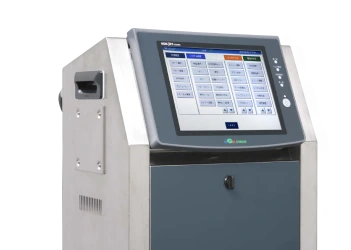
Continuous inkjet printers
Non-contact coding for dates, batch numbers and logos on fast production lines.
Explore product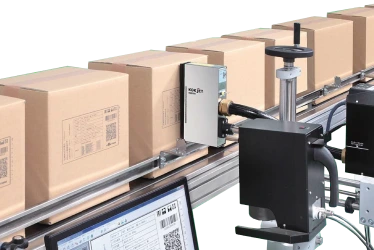
Drop on demand printers
Large-character and high-resolution coding for cartons, cases and outer packaging.
Explore product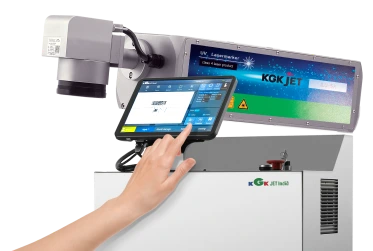
Laser marking machines
Permanent, ink-free marks on plastic, metal, glass, paper and cable.
Explore product
Print examiners
Camera inspection that checks every code is present, readable and correct.
Explore productService and support
Installation, training, maintenance and spares from a local team.
Explore productReady to talk about inks and consumables?
Tell us what you mark and how fast you run, and our team will respond with options and next steps.
Make an enquiry