Coding on Metal
Lasting dates, batch codes and part numbers on food cans, roofing sheets, steel, aluminium and fabricated parts.
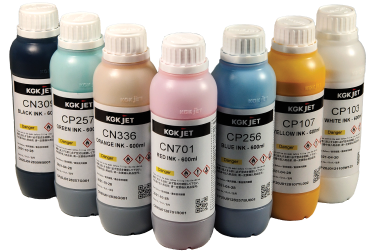
Lasting identification on a hard, smooth surface
Metal is smooth, non-porous and sometimes oily from rolling or forming. In Kenya that covers food and beverage cans, aerosol tins, roofing sheets, steel bars and many fabricated parts, each needing a date, batch code, gauge or part number that stays put.
Inkjet with metal-ready inks gives fast, flexible marks on cans, sheets and coated surfaces. Laser marking engraves or discolours the metal itself, leaving a permanent mark with no consumables. We match the method to the metal, the finish and your line speed.
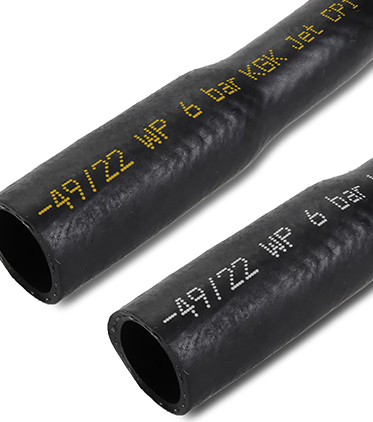
What we mark on metal
- Production and expiry dates on cans and tins
- Batch and lot numbers
- Gauge, grade and size details
- Part numbers and product codes
- Barcodes and QR codes
Key features
What you can expect from a coding system set up for this pack.
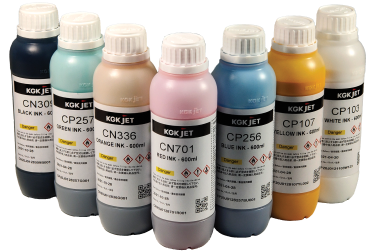
- Inks for metalFast-setting inks bond to tinplate, aluminium, coated and lacquered metal.
- Permanent laser marksA laser mark becomes part of the metal and will not rub off or wash away.
- High-speed linesNon-contact heads keep pace with can and sheet lines without slowing production.
- Fine detailSmall, sharp characters and 2D codes fit on small parts and narrow areas.
Built for Kenyan production lines
Kenyan canners, roofing and steel producers and fabricators work with metal in volume, often in hot, dusty plants where oil and dust can interfere with marking.
- Advice on cleaning or wiping oily surfaces before the print point.
- Laser marking where a permanent mark with no running costs is preferred.
- Inks and printers that cope with heat and dust in metal plants.
- Local inks, spares and fault response, with maintenance plans.
- Batch and date codes that support traceability for canned food and building products.
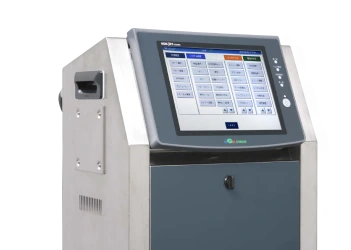
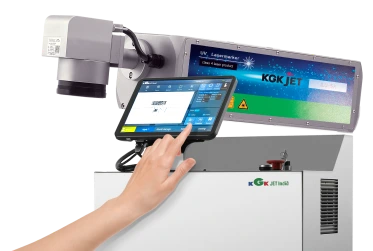
Recommended equipment
The products we most often fit for this application.
How we work with you
Whatever you come to us for, the same clear process applies from first call to ongoing support.
-
Assess
We learn about your product, packaging, line speed and what needs to be printed.
-
Recommend
We propose the right printer, ink and layout, with a clear quote.
-
Install and train
We install and commission the system and train your operators on the line.
-
Support
Inks, spares and maintenance keep production running, with our team a call away.
Common questions
Can you code on oily metal?
Oil on the surface reduces adhesion. We look at the line and may suggest a wipe, a drying step or laser marking instead.
Should I use inkjet or laser on metal?
Inkjet is fast and flexible, and works well on cans and coated metal. Laser gives a permanent mark with no consumables. We recommend one after looking at your metal, your finish and your line.
Can the code go on the base of a can?
Yes, depending on the line layout and the space under the can path, with the print head positioned for the base.
Explore other applications
See how we approach coding on other kinds of packaging.
- Coding on Pouch
- Coding on Tetra Pak
- Coding on Flexible Films and Foil
- Coding on PET Bottles
- Coding on Carton Box
- Coding on Rigid Containers
- Coding on Shrink wrap
- Coding on Glass Bottles
- Coding on Cable and Wire
- Coding on Pipe
- Coding on Rubber parts
- Coding on Label
- Coding on Ceramic
- Coding on Wood
- Coding on Food
- E-Commerce Packaging
- Software Integration - Coding Application
- Coding on HDPE Bags
Ready to talk about your line?
Tell us what you pack and how fast you run, and our team will respond with options and next steps.
Make an enquiry