Building and construction
Durable, readable codes on pipes, cables, roofing sheets, boards and other building products, from equipment built for dust and rough conditions.
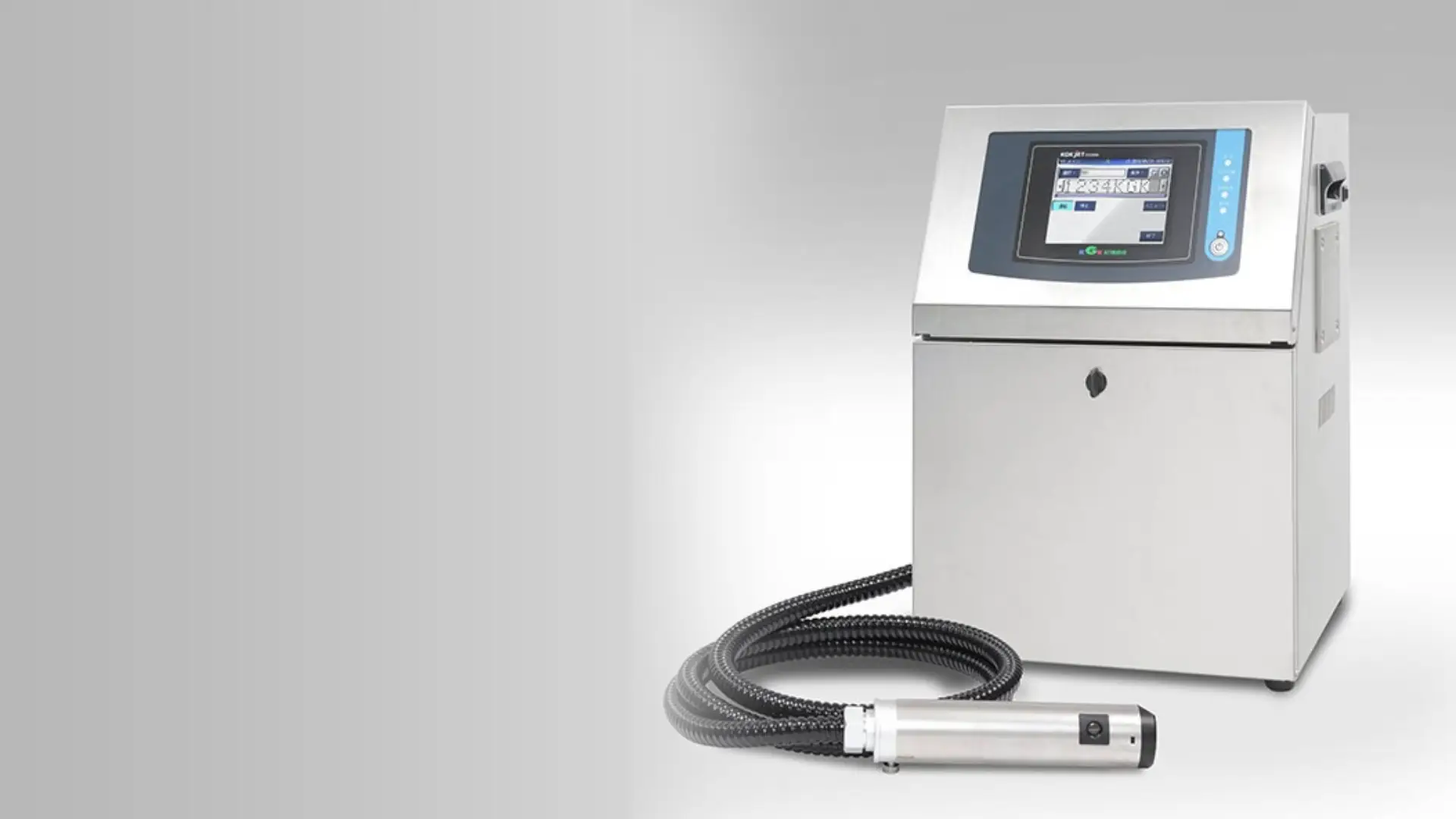
Marks that have to last long after they leave the plant
Building products are made in hot, dusty, heavy-duty plants, then stored outdoors, cut, stacked and handled on site. Their size, grade, standard and batch marks have to survive all of that and still be readable months or years later by inspectors, contractors and installers.
Kenyan makers of pipes, cables, roofing sheets, timber, boards and paints supply hardware shops, contractors and large projects. Every product needs to be identifiable, and a clear, durable mark is how it stays that way from the factory gate to the finished building.
What we mark
- Pipes, conduit and fittings
- Electrical cable and wire
- Roofing sheets and metal profiles
- Timber, plywood and boards
- Paint, sealant and adhesive containers
- Tiles and sanitaryware
Advantages for building product makers
Features that matter most when the production line is dusty, busy and sometimes seasonal.
Dust-ready build
IP65 models combine a stainless cabinet with a sealed electronics enclosure, made for dusty, rough plants.
Inks for site conditions
Inks chosen for metal, rigid plastic and wood, so marks survive sun, rain and abrasion after production.
Less upkeep
A sealing nozzle protects the print head and ink from contamination, so there is less cleaning and less downtime.
Ready after quiet spells
Standby upkeep means the printer can start straight away after seasonal slowdowns or plant shutdowns.
Tight-space print head
A slim, ergonomic head fits into cramped spots on extrusion and finishing lines.
Marks that last
Size, grade, standard and batch details stay readable through storage, cutting and handling on site.
Where we code in this industry
Explore how coding and marking fits the products building and construction makers produce.
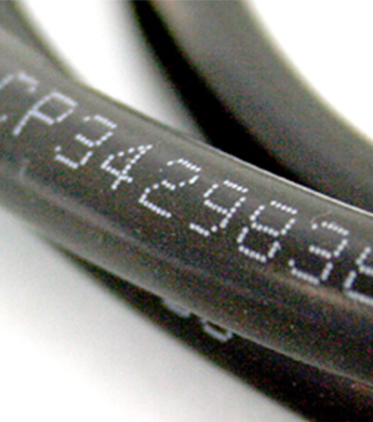
Coding on Pipe
Size, class and batch marks on PVC, HDPE and PPR pipe.
View applicationCoding on Cable and Wire
Size, voltage and length marks on cable and wire at extrusion speed.
View application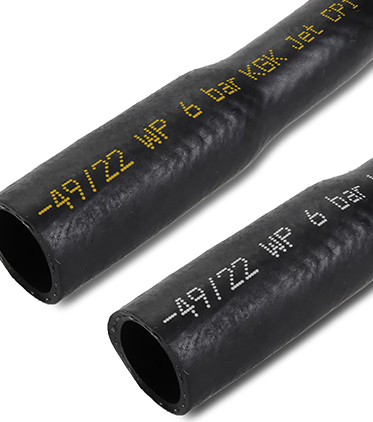
Coding on Metal
Dates, batch codes and part numbers on cans, sheets, steel and aluminium.
View application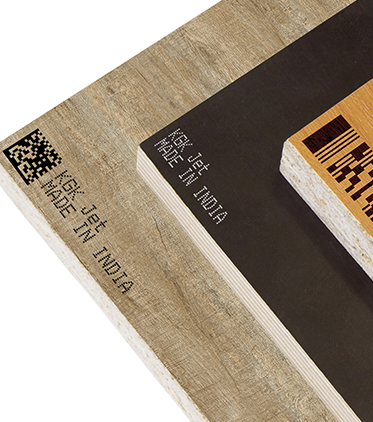
Coding on Wood
Grade, size and batch marks on timber, plywood, pallets and furniture parts.
View application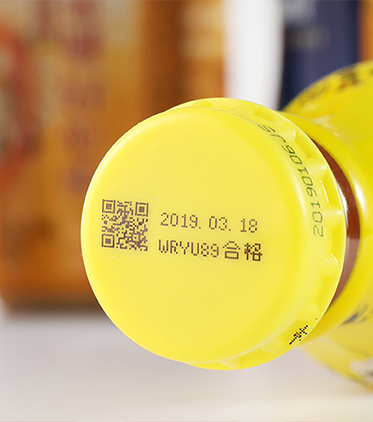
Coding on Rigid Containers
Dates and batch codes on tubs, cups, tins, jars and buckets.
View application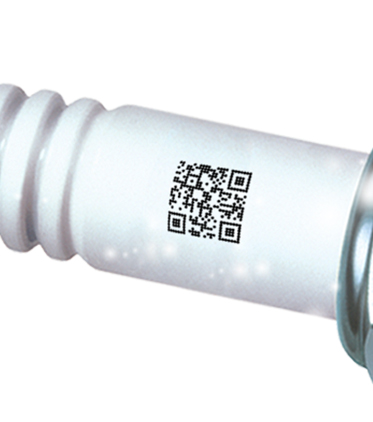
Coding on Ceramic
Batch, size and shade codes on tiles, sanitaryware and tableware.
View applicationWhat goes on each product
A starting point. The exact marks depend on the standard, tender or customer specification you work to.
| Product | Typical marks | Suggested technology |
|---|---|---|
| Pipes and conduit | Size, pressure class, material, standard, batch and time, length marks | Continuous inkjet or laser marking |
| Electrical cable | Core size, voltage rating, standard, length marks, batch | Continuous inkjet or laser marking |
| Roofing sheets and metal profiles | Gauge, grade, dimensions, batch and date | Continuous inkjet or laser marking |
| Timber, plywood and boards | Grade, size, batch, treatment markings | Drop on demand or continuous inkjet |
| Paint and sealant tins | Batch, date, product code, barcode | Continuous inkjet |
| Tiles | Batch, shade and size | Continuous inkjet or laser marking |
We confirm the right technology and ink for your product and surface before you buy.
Built for Kenyan production lines
Building product plants in Kenya run in heat and dust, ship to sites across the country, and often store stock outdoors. These are the things we plan for.
- IP65 and IP54 printers for dusty extrusion halls and finishing yards.
- Marks laid out to carry the information your standard or tender requires.
- Inks chosen for outdoor storage, sun, rain and abrasion.
- Standby upkeep for seasonal slowdowns and plant shutdowns.
- Local inks, spares and fault response, with maintenance plans.
- Operator training for every shift, so message changes between sizes and classes are quick.
Common questions
What can be coded on building products?
Size, grade, pressure class, standard references, batch and date codes, length marks and logos, depending on the product and the standard it is made to.
Will the marks survive outdoor storage?
With an ink chosen for the surface and the conditions, marks resist sun, rain, rubbing and handling. We confirm the ink against your product and storage conditions before recommending a system.
Can one printer handle several products?
Yes. Store a message for each product, size and class, and select the right one at changeover.
Does the printer cope with dusty plants?
Models with IP65 or IP54 protection and clean-air protection are designed for dusty and humid environments. We assess your plant before recommending one.
Equipment for this industry
The products we most often fit for building and construction makers.
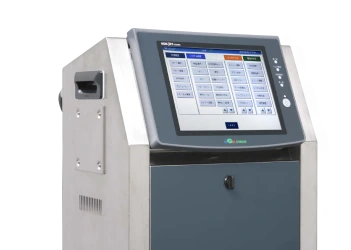
Continuous inkjet printers
Non-contact coding for dates, batch numbers and logos on fast production lines.
Explore product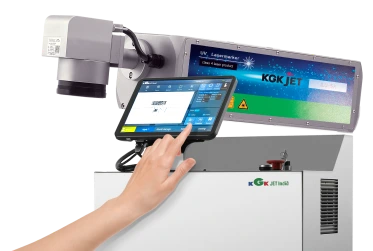
Laser marking machines
Permanent, ink-free marks on plastic, metal, glass, paper and cable.
Explore product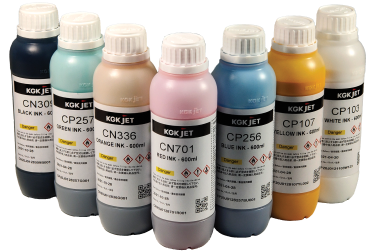
Inks and consumables
Quality inks, solvents and spare parts matched to your printer and surface.
Explore productExplore other industries
See how we approach coding and marking in other sectors.
Ready to talk about coding for building products?
Tell us what you make and how fast you run, and our team will respond with options and next steps.
Make an enquiry