Look closely at almost any packaged product and you will find a small block of text: a date, a batch number, perhaps a barcode. It is easy to ignore, but that tiny code does a lot of work. It tells a shopkeeper when to rotate stock, it tells a regulator where a product came from, and it tells you which production run to check if something goes wrong.
This article explains what product codes do, why they matter for manufacturers in Kenya, and how to build a coding process you can trust.
What a product code actually contains
The details vary by product, but most codes include some or all of the following.
- Batch or lot number: identifies the production run, so a problem can be traced to a specific group of products.
- Manufacture and expiry dates: tell the customer how fresh the product is and how long it can be stored.
- Time and line information: shows when and where a product was made, which helps to narrow down a fault.
- Barcodes and QR codes: let retailers, warehouses and customers scan the product to identify it or look up information.
- Weight, price or origin: sometimes required for particular product types.
Traceability: knowing where every product came from
Traceability means being able to follow a product one step back to its materials and one step forward to its customers. A clear batch code is what makes that possible. If a supplier tells you that a raw material was faulty, you can use batch codes to find every product that contained it, and nothing else.
Without a reliable code, the only safe response to a problem is to recall everything. With one, you can recall the affected batch alone, which saves money, protects your reputation and keeps customers safe.
Compliance and customer expectations
Kenyan regulators and standards bodies set labelling expectations for many product categories, including food, medicines, cosmetics and chemicals. Large retailers and export buyers often add requirements of their own, such as specific barcode formats or readable batch and date information on every unit.
Requirements differ from one product to another and can change, so it is important to check what applies to your products with the relevant authority, such as the Kenya Bureau of Standards, and with your major customers. A reliable coding system makes it far easier to comply once you know what is required.
Fighting counterfeits and protecting your brand
Clear, permanent codes also help protect your brand. A unique batch code, or a code that links to a record of when and where the product was made, makes it harder for counterfeits to pass as the real thing and easier for customers to verify what they have bought.
Permanent marks, such as those made by lasers, add another layer, because they are very difficult to remove or alter without leaving evidence.
Coding on different kinds of packaging
Different packaging presents different challenges, so it helps to think about the surface first.
- Bottles and cans: curved, and sometimes wet or cold from filling, so quick-drying inks and a stable print position matter.
- Pouches and film: flexible and sometimes glossy, which calls for inks that bond well.
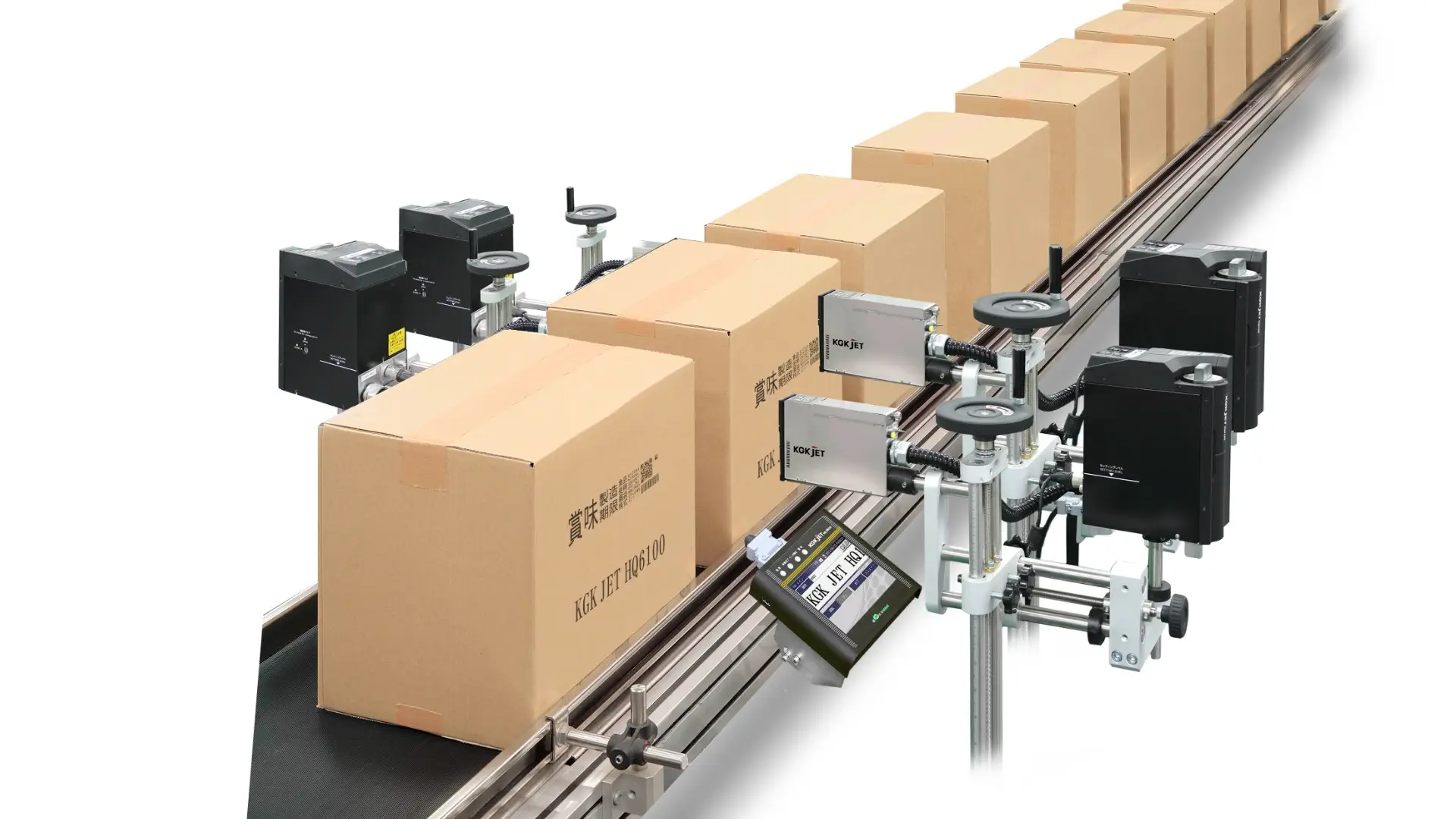
- Cartons and cases: porous and dusty, where larger, bolder codes work best.
- Cable and pipe: long, continuous lengths that need clear, repeated marks.
Where coding goes wrong
Most coding problems are not dramatic. They are small and repeated, and they add up.
- Codes that smudge or rub off because the ink does not suit the surface.
- Faded or incomplete prints caused by a dirty or blocked print head.
- Wrong dates or batch numbers because someone forgot to update the message.
- Codes printed in the wrong place, or too close to a seal or fold.
- Barcodes that look fine to the eye but fail to scan.
Each of these can cause rejected deliveries, relabelling work or lost trust with a customer. The good news is that nearly all of them are preventable with the right equipment, the right ink and a simple routine.
Building a coding process you can trust
A dependable coding process is built from a few simple steps, and each one is worth getting right.
- Decide exactly what each code must say, in what format and where on the pack.
- Choose the technology and ink that suit your product, surface and line speed, and test them on real samples.
- Connect the printer to reliable data, so that dates and batch numbers update automatically wherever possible instead of by hand.
- Train operators to start up, change messages and shut down correctly.
- Check codes regularly, either by eye at set intervals or with a camera-based print examiner that verifies every code.
- Keep records of what was printed and when, so that you can answer questions quickly.
The value of checking every code
Human checks are useful, but they cannot keep up with a fast line. A print examiner uses a camera to read each code right after it is printed and flags anything missing, unreadable or wrong. When it is linked to a reject system, it can remove faulty products automatically.
For products where a missing or wrong code is costly, such as food, medicines or goods going to demanding customers, automatic verification quickly pays for itself by preventing rework and returns.
A good coding system is not an overhead. It is insurance for your production, your customers and your brand.
The cost of getting it wrong
It is tempting to treat coding as a small detail, but a few poor codes can have outsized costs. A rejected pallet, a delayed shipment or a wider recall can easily outweigh years of savings from the cheapest equipment or ink.
How we can help
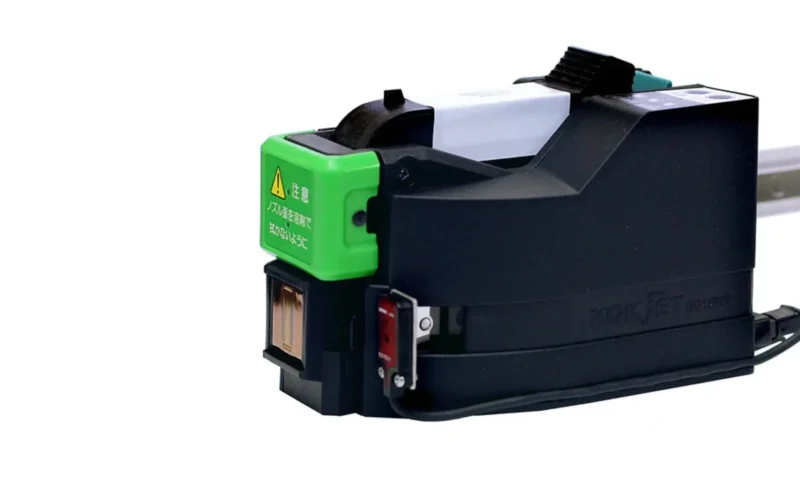
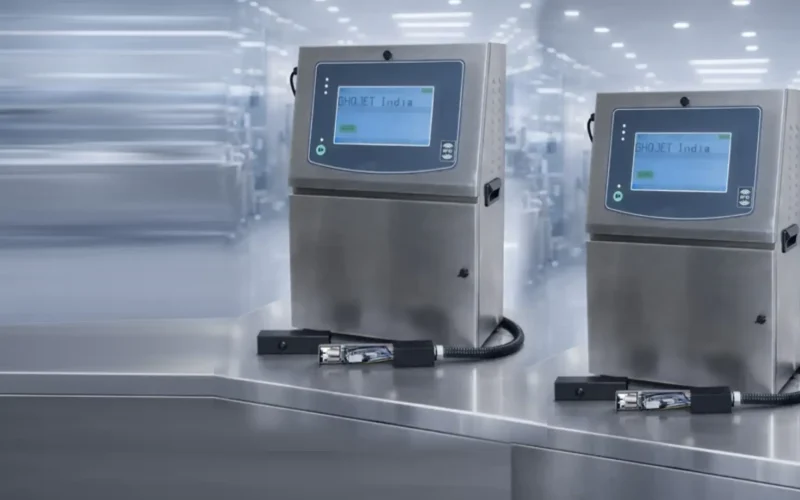
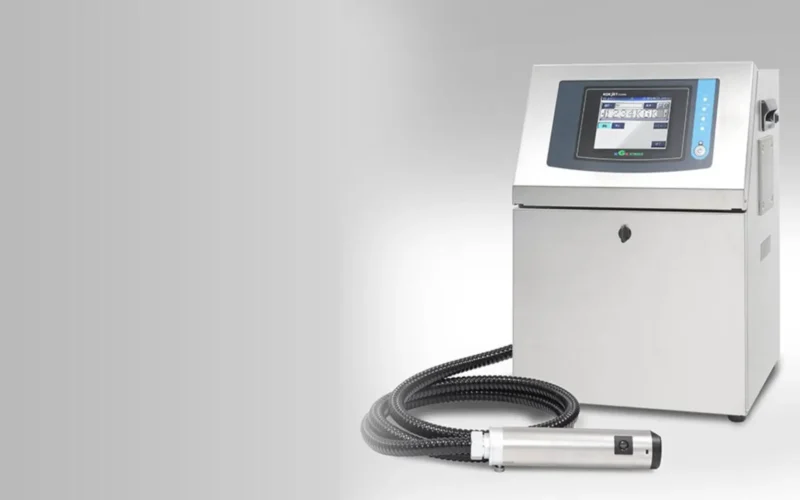
At Uptime Coding, we supply and support the equipment that puts clear, lasting codes on your products, from inkjet printers and laser markers to inks and print inspection. We can review your current process, suggest improvements and help you set up a routine that keeps your codes reliable.
Final thoughts
Product codes are small, but they carry big responsibilities: traceability, compliance and trust. Decide what your codes must do, choose equipment that suits your product, check the results and keep good records.
If you would like to talk through your coding process, get in touch with our team.