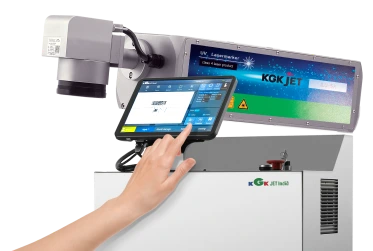
UV laser
A UV laser marks with very little heat, which suits delicate surfaces and fine detail.
- 5W to 10W
- Water and air cooling
- IP54 rated
Best for
- Plastics, glass and films
- Heat-sensitive materials
- Small text and fine 2D codes
Pages
Latest articles
Permanent, ink-free marks on metal, plastic, glass, film, cable and packaging, from the right laser for your material.
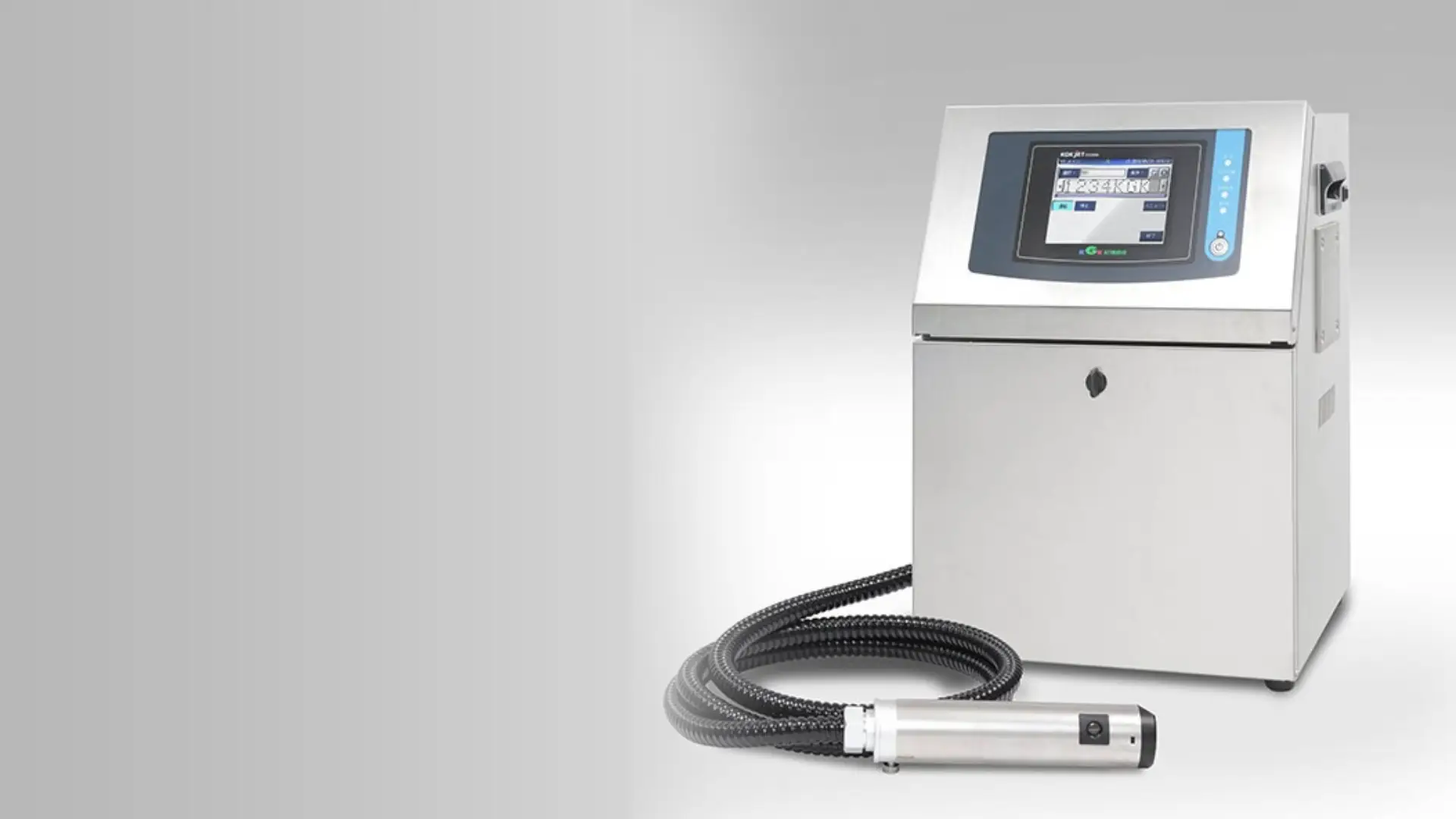
A laser marker changes the surface of a product with a tightly focused beam of light. The mark cannot rub off or wash away, and it cannot be altered without damaging the product. There is no ink to run out, no solvent to buy and no print head to clean.
Which laser is right depends on the job. We start with your material, then look at line speed, how much detail the code needs, how clean or dusty the floor is and what you want to spend, and point you to a UV, CO2 or fibre laser from there.
A guide to get you started. Results depend on the exact grade, colour and coating of your material, so we always recommend proving the mark on your own samples.
| Material | UV laser | CO2 laser | Fibre laser |
|---|---|---|---|
| Metals and alloys | Limited | Not suited | Best fit |
| Plastics and polymers | Best fit | Possible | Possible |
| Glass | Best fit | Possible | Not suited |
| Films, labels and flexible packaging | Best fit | Best fit | Not suited |
| Paper, cardboard and wood | Possible | Best fit | Not suited |
| Cable and pipe sheathing | Best fit | Possible | Possible |
Three laser types cover most coding and marking jobs. Tell us what you mark and we will point you to the right one.
A UV laser marks with very little heat, which suits delicate surfaces and fine detail.
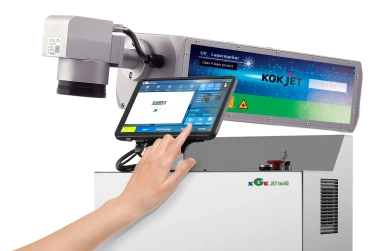
An RF-excited CO2 laser built for fast marking of packaging and organic materials.
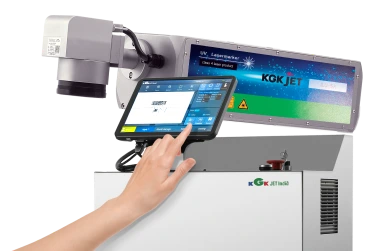
An infrared fibre laser for quick, durable marks on metal, with some non-metals also possible.
Power ranges and ratings are indicative. We confirm the exact model and specification for your application before you buy.
Explore how laser marking fits the packaging and products you make.
Laser marking suits Kenyan plants that want a permanent mark without the cost and mess of inks, as long as the installation is planned properly.
Whatever you come to us for, the same clear process applies from first call to ongoing support.
We learn about your product, packaging, line speed and what needs to be printed.
We propose the right printer, ink and layout, with a clear quote.
We install and commission the system and train your operators on the line.
Inks, spares and maintenance keep production running, with our team a call away.
They use different wavelengths, so each reacts differently with materials. UV suits plastics, glass and films, CO2 suits paper, wood, film and many plastics, and fibre suits metals. We help you match the laser to your material.
Industrial lasers need proper guarding, interlocks and eye protection, and the installation should include fume extraction where the material calls for it. We advise on the setup and train your team before the machine goes into service.
There is no ink, solvent or make-up fluid to buy. You still need power, any extraction or cooling the machine requires, and periodic cleaning and servicing, which our support team can plan with you.
Yes. With a sensor and encoder linked to your conveyor, a laser can mark moving products. What speed and code size are possible depends on the model and the material, so we confirm this for your line.
Coding and marking equipment and support, from the printer to the ink to the service visit.
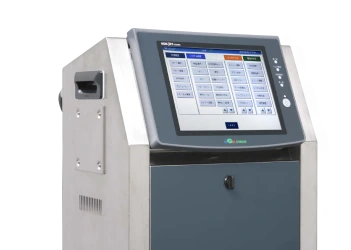
Non-contact coding for dates, batch numbers and logos on fast production lines.
Explore product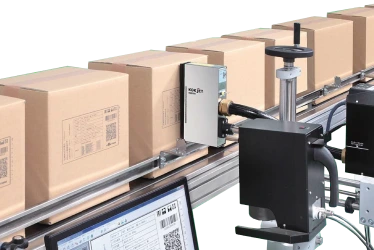
Large-character and high-resolution coding for cartons, cases and outer packaging.
Explore product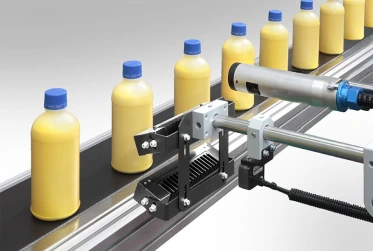
Camera inspection that checks every code is present, readable and correct.
Explore product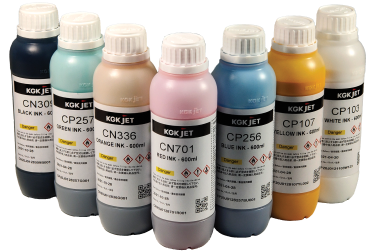
Quality inks, solvents and spare parts matched to your printer and surface.
Explore product
Installation, training, maintenance and spares from a local team.
Explore productTell us what you mark and how fast you run, and our team will respond with options and next steps.
Make an enquiry