Coding on Food
Legible dates and batch codes on eggs, bread, meat products, fresh produce and snacks, on the product or the pack.
Safe, readable codes from farm gate to shelf
Food coding covers a wide range, from eggs and loose produce to bread, sausages, nuts and snacks. Some items are coded directly and others on the pack, and each brings its own concerns: moisture, fat, temperature, and the need for a mark that is both clear and safe.
Inkjet and laser both have a place. Inkjet suits packs and many products at line speed, and laser can mark certain products and packs with no ink at all. We choose the method after looking at the product, how it is packed and the food safety requirements you work to.
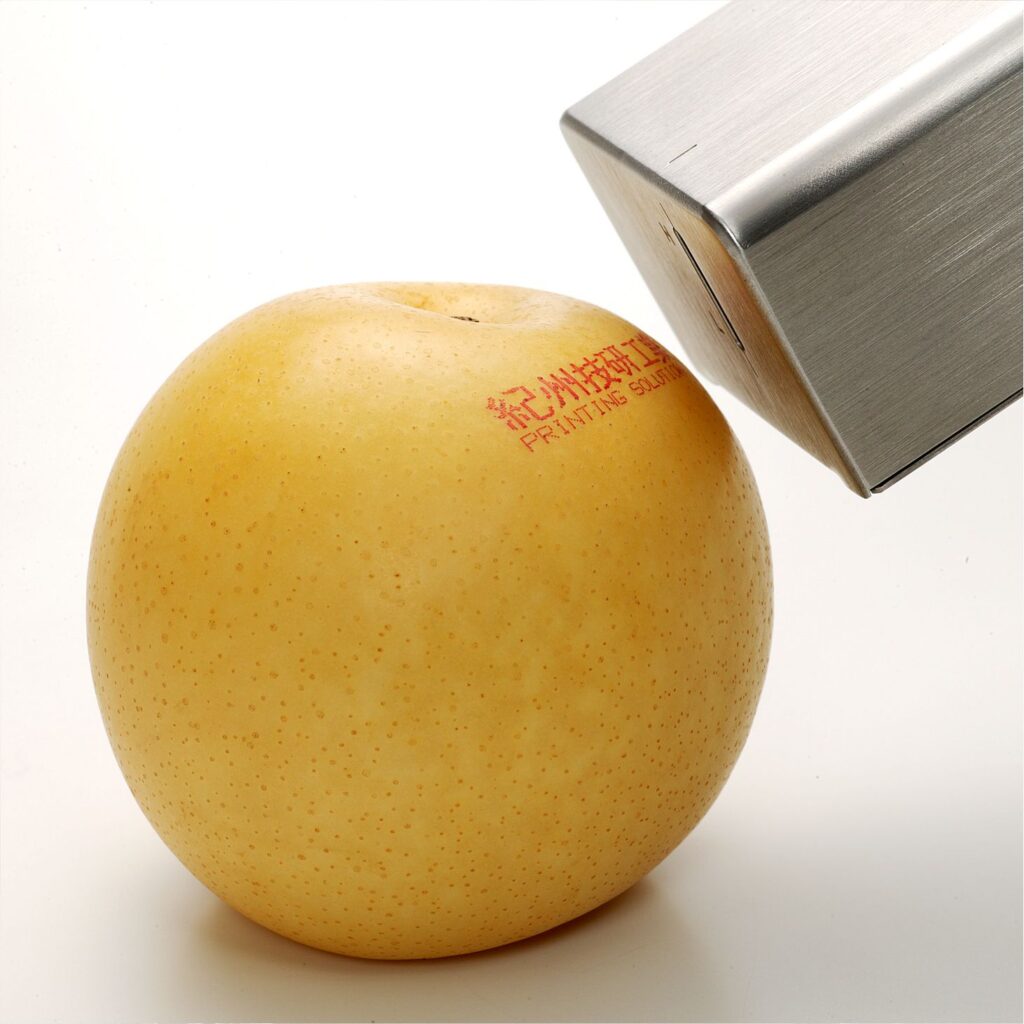
What we code on food
- Production and best-before dates
- Batch and lot numbers
- Farm, packhouse or line codes
- Barcodes and QR codes
- Short text and logos
Key features
What you can expect from a coding system set up for this pack.
- Choice of methodInkjet or laser, depending on whether the product or the pack is being marked.
- Food safety firstWe confirm the ink and method against your food safety requirements before recommending a system.
- Planned for damp and oily surfacesWe look at moisture, fat and temperature at the print point and choose inks and positions to suit.
- TraceabilityBatch and packhouse codes tie each product to its source if a query comes up.
Built for Kenyan production lines
Kenyan food producers range from egg farms and bakeries to nut processors and fresh produce exporters, and each serves buyers who expect clear dates and traceable batches.
- Farm, packhouse and line codes that help buyers trace products to their source.
- Lot codes on export packs for produce and nuts, as overseas buyers often ask.
- Printers that cope with warm, humid and dusty packing areas.
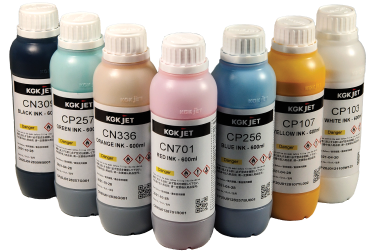
- Local inks, spares and support, with training for your team.
- Clear dates and batch details that support Kenyan food labelling requirements.
Recommended equipment
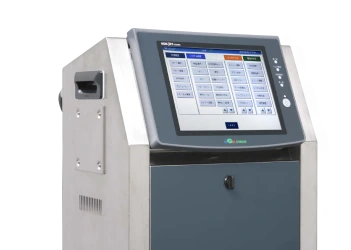
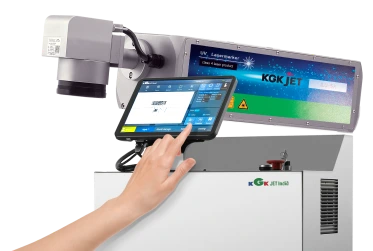
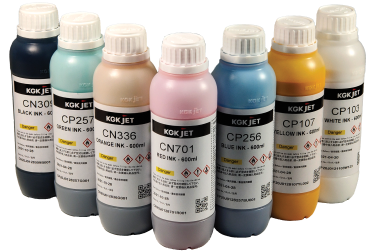
The products we most often fit for this application.
How we work with you
Whatever you come to us for, the same clear process applies from first call to ongoing support.
-
Assess
We learn about your product, packaging, line speed and what needs to be printed.
-
Recommend
We propose the right printer, ink and layout, with a clear quote.
-
Install and train
We install and commission the system and train your operators on the line.
-
Support
Inks, spares and maintenance keep production running, with our team a call away.
Common questions
Can you code directly on eggs?
In many cases, yes. Inkjet or laser can mark the shell, and we confirm the method and the ink against your food safety requirements first.
Are the inks safe for food?
Food safety depends on the ink and how it is used. We confirm the ink against your requirements and the way the product is packed before recommending a system.
Can codes survive chilled or damp food packaging?
Moisture and condensation affect adhesion, so we look at the print point and may suggest a different position or a drying step.
Explore other applications
See how we approach coding on other kinds of packaging.
- Coding on Pouch
- Coding on Tetra Pak
- Coding on Flexible Films and Foil
- Coding on PET Bottles
- Coding on Carton Box
- Coding on Rigid Containers
- Coding on Shrink wrap
- Coding on Glass Bottles
- Coding on Cable and Wire
- Coding on Pipe
- Coding on Rubber parts
- Coding on Metal
- Coding on Label
- Coding on Ceramic
- Coding on Wood
- E-Commerce Packaging
- Software Integration - Coding Application
- Coding on HDPE Bags
Ready to talk about your line?
Tell us what you pack and how fast you run, and our team will respond with options and next steps.
Make an enquiry